
The Ultimate Guide to Smartwatches Tracking Blood Oxygen Levels
With the rise of health technology, smartwatches are no longer just accessories but have transformed into essential health tools. One of their standout features is blood oxygen tracking, or SpO2 monitoring. This feature is critical for identifying potential health issues, including sleep apnea and pulmonary conditions. Let’s explore some of the best smartwatches available that effectively monitor blood oxygen levels.
Understanding SpO2 and Its Importance
Most smartwatches and fitness trackers now come equipped with SpO2 sensors, which measure the level of oxygen in your blood. Maintaining a healthy oxygen saturation level is vital for overall health. Low SpO2 levels can lead to fatigue, memory issues, and even more serious conditions such as heart disease. For athletes, monitoring blood oxygen can also be essential for altitude acclimation.
The Best Smartwatches for SpO2 Monitoring
1. Garmin Venu 4: Best Overall
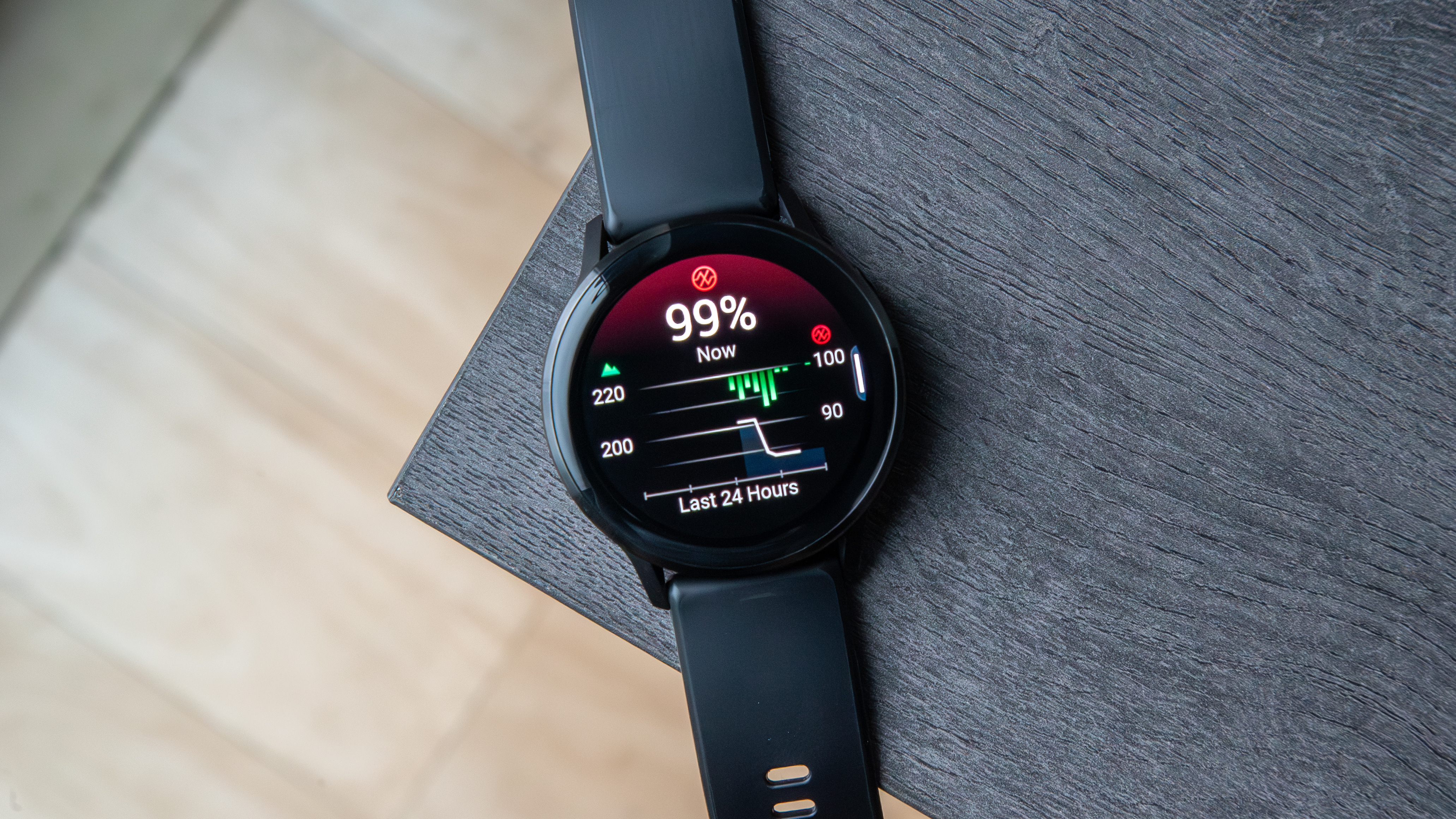
The Garmin Venu 4 stands out as the top choice for its ability to measure SpO2 continuously throughout the day. This smartwatch can take on-demand, nightly, or all-day SpO2 readings, making it a versatile option for health tracking.
Pros:
- Comprehensive health data including HR, HRV, ECG, and skin temperature.
- Up to 12-day battery life.
- Features like altitude acclimation and Health Status monitoring.
Cons:
- Higher price point.
- Lacks official sleep apnea detection.
2. Samsung Galaxy Watch 8: Best for Sleep Apnea Detection
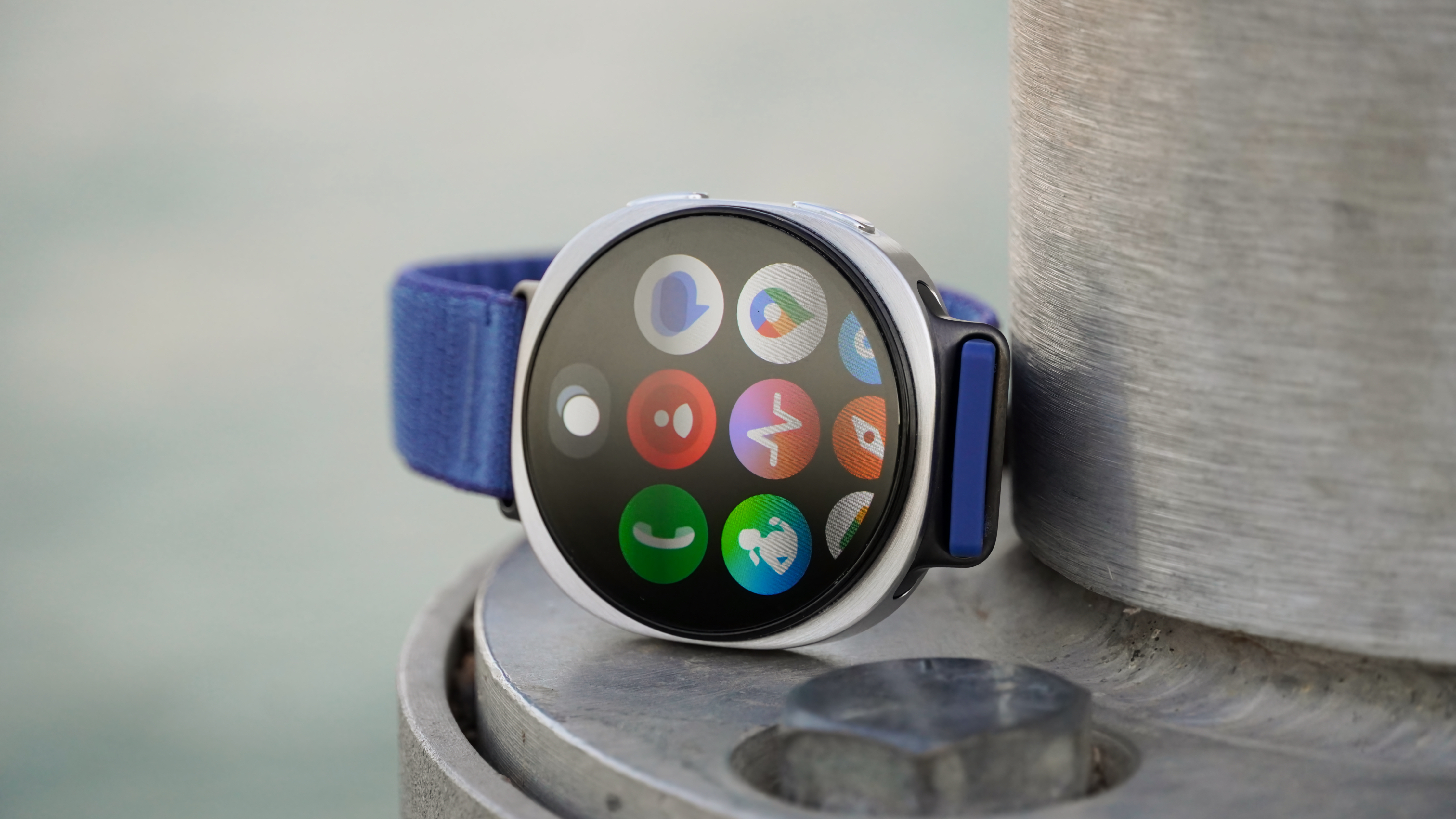
Samsung’s Galaxy Watch 8 is designed with an emphasis on sleep quality. It provides at-night SpO2 tracking with the capability for sleep apnea risk assessments.
Pros:
- Ultra-thin design for comfortable sleep monitoring.
- Extensive Samsung Health insights.
- Supports Wear OS 6 with app capabilities.
Cons:
- Shorter battery life compared to competitors.
- Requires a Galaxy phone for sleep apnea testing.
3. Withings ScanWatch 2: Most Accurate
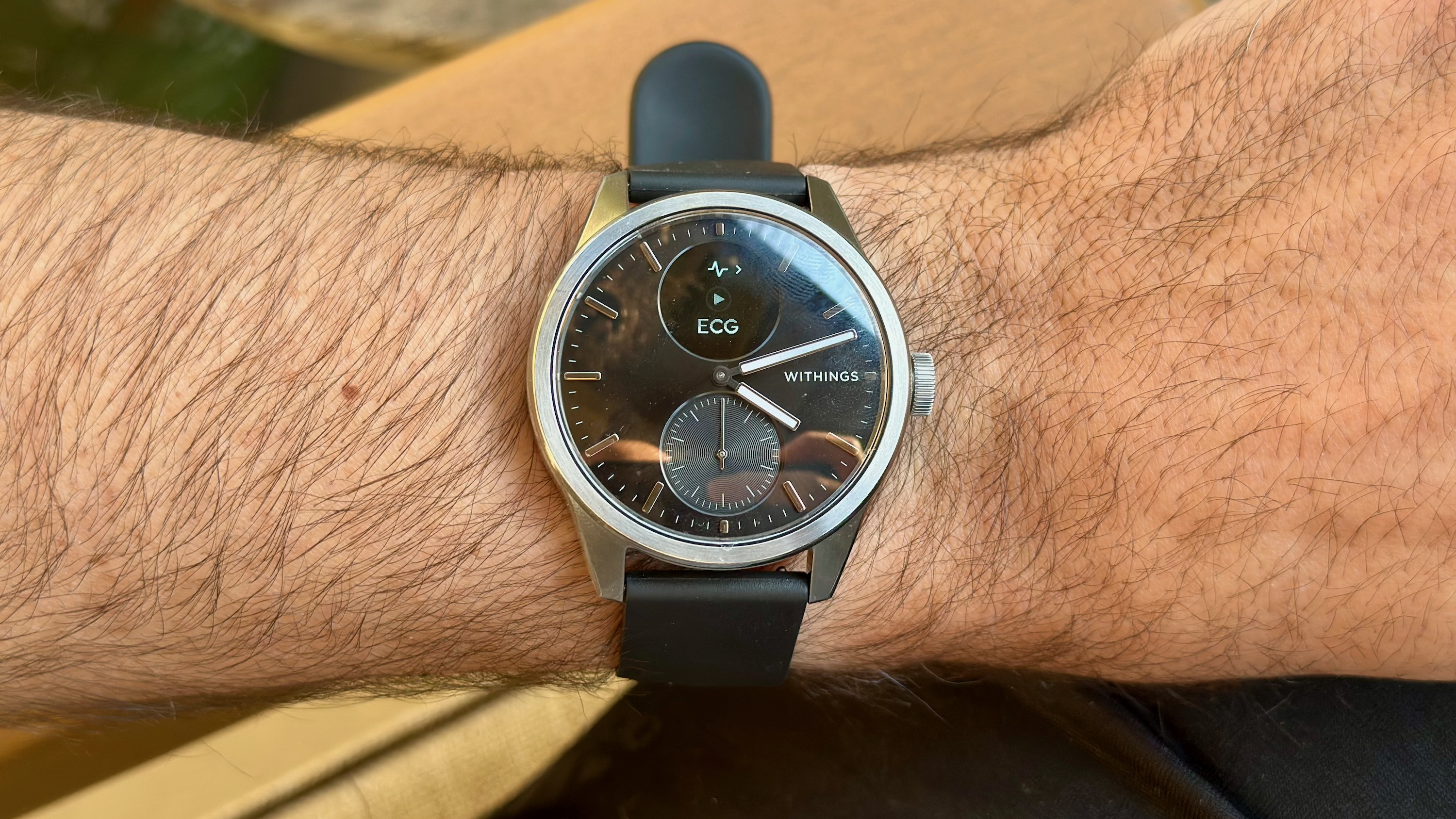
For those seeking accurate readings, the Withings ScanWatch 2 is hard to beat. Known for its medical-grade sensors, it allows for precise SpO2 spot checks and continuous monitoring.
Pros:
- Accurate SpO2 readings along with AFib detection.
- Long battery life of up to 30 days.
- Continuous temperature monitoring.
Cons:
- Hybrid smartwatch design limits smart features.
- Lacks FDA approval for its SpO2 monitoring.
4. Fitbit Sense 2: Best Health Data
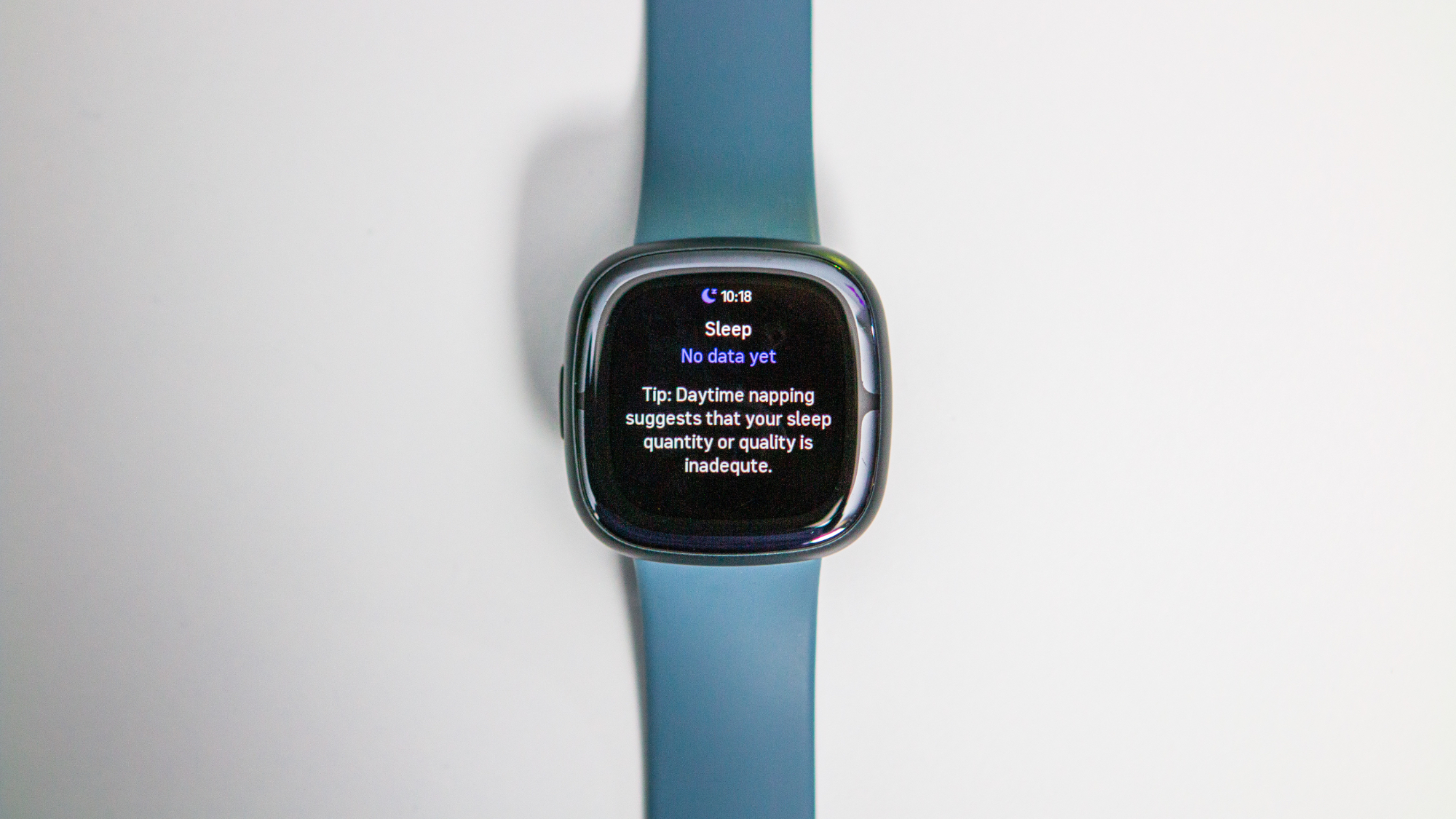
The Fitbit Sense 2 provides an array of health data, focusing on overall wellness rather than just fitness. It offers nightly SpO2 readings and other metrics to better understand your health.
Pros:
- Daily health coaching through the Fitbit app.
- Integrated sensors for skin temperature and stress analysis.
- Remarkably user-friendly interface.
Cons:
- No spot readings for SpO2.
- Lacks many smartwatch features that other brands offer.
5. Amazfit Bip 6: Best Value
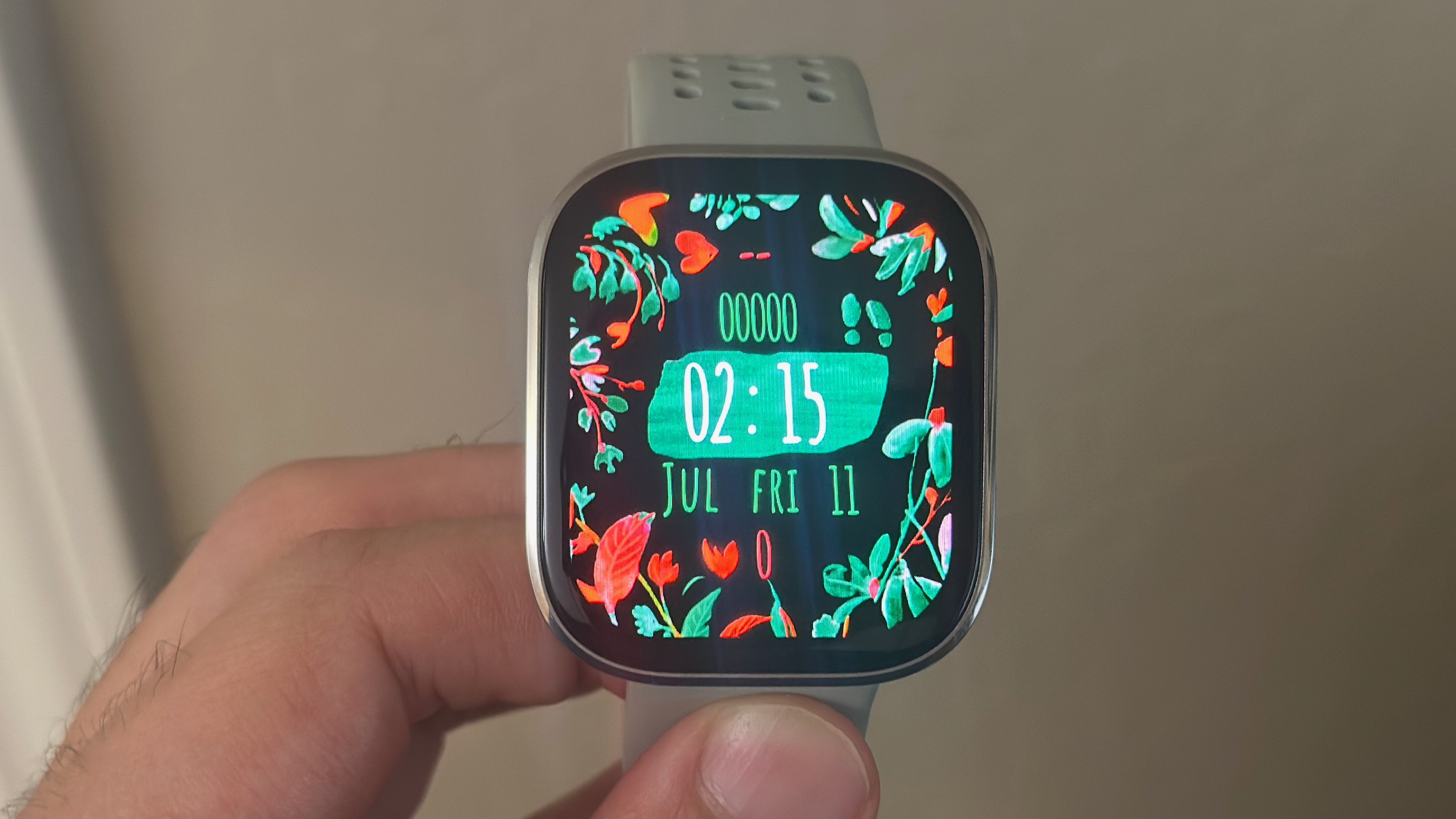
If you’re looking for a budget-friendly option, the Amazfit Bip 6 is an excellent choice. It provides core SpO2 monitoring without breaking the bank.
Pros:
- Affordable price point.
- Strong battery life, lasting up to 14 days.
- Offers personalized coaching and fitness insights.
Cons:
- Limited features compared to more expensive options.
- Sensors may not be as accurate as higher-end devices.
6. Garmin Venu X1: Best Premium Option
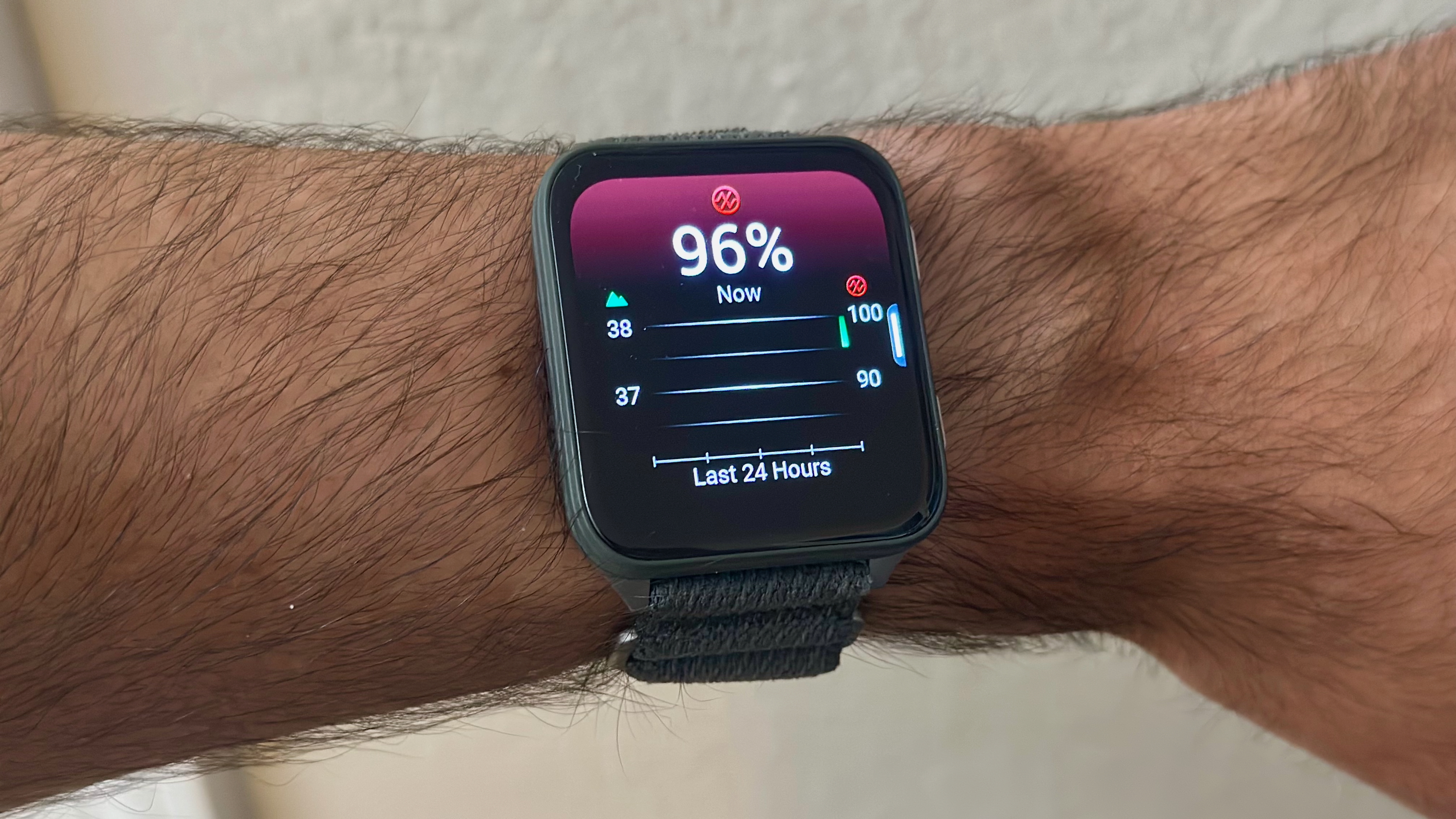
For those willing to invest, the Garmin Venu X1 combines premium materials with robust health tracking features. It offers all-day SpO2 monitoring alongside many Garmin tools for athletes.
Pros:
- Stylish design with ultra-lightweight construction.
- Various health features including breathing variations and fitness tracking.
- Supports offline maps.
Cons:
- Expensive compared to similar models.
- Shorter battery life than other Garmin options.
Why Invest in SpO2 Monitoring?
Monitoring your blood oxygen levels through a smartwatch can be instrumental in identifying underlying health issues. For individuals diagnosed with sleep apnea or athletes acclimating to high altitudes, it’s a game-changer. Smartwatches that track SpO2 can be a step toward a healthier lifestyle by providing insights that were previously available only through clinical devices.
In this age of health-focused technology, finding the right smartwatch can empower you to take actionable steps towards better health. Don’t underestimate the value of having the right metrics at your fingertips—it might just help save a life.