
The Rise of Autonomous Vehicles: Transforming Logistics and Supply Chains
From Amazon’s delivery drones to self-driving cars and automated factory equipment, the landscape of transportation is rapidly evolving. We find ourselves on the cusp of an era where automation has the potential to redefine not just logistics but our everyday experiences with mobility.
Innovations in Automated Transport
The advancements in automated transport are not confined to tech giants’ garages. Real-world applications are burgeoning, with successful tests showcasing ambitious concepts. In April, Rotterdam witnessed the launch of a truck platooning system. This innovative approach involves two or three “smart trucks” that communicate wirelessly, traveling closely together to enhance efficiency and safety. Countries like Singapore are also stepping up, seeking proposals for similar technologies to boost port productivity.
Further expanding this field, Airbus is developing an autonomous air taxi project in Singapore aimed at delivering parcels directly to ships in the port. Meanwhile, the anticipated future of maritime logistics includes remote-controlled, crewless cargo ships, which could revolutionize shipping dynamics at sea.
Tackling the Last Mile
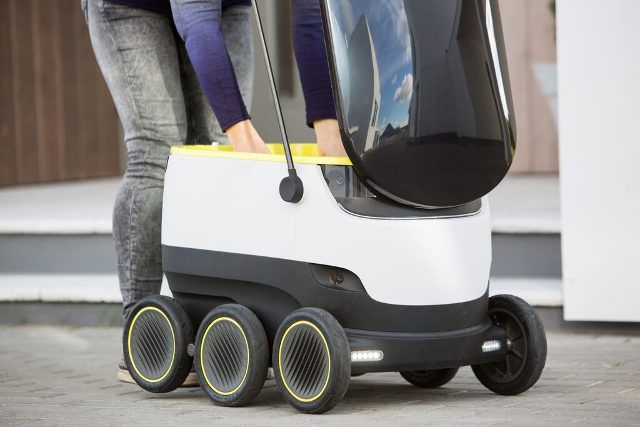
One of the greatest challenges in logistics is successfully navigating the “last mile”—the final step of delivery to consumers. In urban environments filled with pedestrians, cyclists, and vehicles, this task becomes increasingly complex. Enter the intelligent self-driving vehicle, capable of transporting up to 100 pounds. There are even initiatives like the flying river shuttle in Paris, designed to bypass congested streets by gliding above the Seine.
Moreover, the automation narrative continues in the mining sector, where raw materials are now extracted using automated equipment. These resources are then transported to smart factories, utilizing wireless trucks and delivery drones to streamline logistics from extraction to delivery.
The Promise of Automation
The implications of automation in logistics are far-reaching, promising enhanced safety, efficiency, and sustainability. For instance, self-driving vehicles could reduce accidents by an impressive 70% and improve fuel efficiency by around 20%. Over a decade, this could translate to a staggering savings of 1.2 billion hours of driving time, addressing critical issues like congestion and driver shortages in markets such as the U.S., U.K., and Germany.
However, the road to automation is fraught with challenges. Cybersecurity risks loom large; ensuring that autonomous technologies remain impervious to hacking is crucial. Additionally, ethical considerations must be addressed. In the event of an accident, how do autonomous vehicles decide whom to protect? Policymakers face a daunting task in balancing job displacement concerns against the progress of the autonomous economy.
A Survey of Future Perspectives
The enthusiasm for autonomous vehicles is palpable. A survey showed that out of 1,433 U.S. consumers, 70% believe they will experience drone delivery within the next five years. A significant 88% of policymakers predict a gradual integration of autonomous vehicles over the next decade. Some surveys even speculate that cities may impose bans on private cars, further incentivizing innovative transport solutions.
As regulations evolve, cities are also likely to impose stricter controls on goods deliveries, which are responsible for significant congestion in urban areas. Businesses must brace for this shift toward an increasingly autonomous environment.
Rethinking Logistics Systems
Capturing the potential of the automated supply chain will necessitate a radical rethinking of logistics systems. The traditional “collect in the evening and deliver in the morning” model will evolve into a more fluid, continuous movement of goods. Various technologies—including platooning, drones, automated warehouses, and even underground tunnels—will facilitate this constant flow.
This ambition requires flexibility and innovation from operators and substantial investments in technology and infrastructure. Collaboration across sectors, including manufacturers, retailers, and policymakers, is vital to ensure that the vision of an integrated and effective automated supply chain becomes a reality.
Industry Insights
The autonomous movement, which traces its roots back to the 1950s, is gaining momentum. According to various reports, the majority of stakeholders now recognize the urgent need to adapt to this changing landscape. It’s crucial for both the logistics industry and consumers alike to stay informed and engaged as we navigate toward a more automated future.
Explore more about the impact of automation on logistics and transport industries at Robohub.