
A Look Back at the Wearable Tech Landscape of 2016
It was a peculiar year for wearables in 2016. While smartwatches seemed to struggle, the broader category of wearable technology—defined as any gadget you can strap to your body—experienced a renaissance, largely driven by the emergence of virtual reality (VR). This article takes a closer look at the standout devices that shaped the landscape, highlighting their unique features and overall impact.
The Impact of Virtual Reality
2016 was arguably the year VR began to make significant waves in consumer tech. The highly anticipated launches of the Oculus Rift and HTC Vive set the stage for an immersive experience that shifted how we perceive digital interaction. These devices brought a new level of excitement and potential for VR technology, blending physical presence with the virtual world in ways previously thought impossible.
Both headsets come with their distinct sets of advantages and drawbacks, yet they share a common goal: to redefine our interaction with digital environments. VR technology, while burgeoning, prompted discussions about its long-term relevance, sparking debates around whether it would evolve into a primary category of consumer electronics or fall into obscurity.
Best Wearables of 2016
Despite 2016 being characterized by a lack of groundbreaking innovations across categories, several devices emerged as leaders worth noting. Here are some of the best wearables that year, each bringing something unique to the table.
10. Misfit Ray
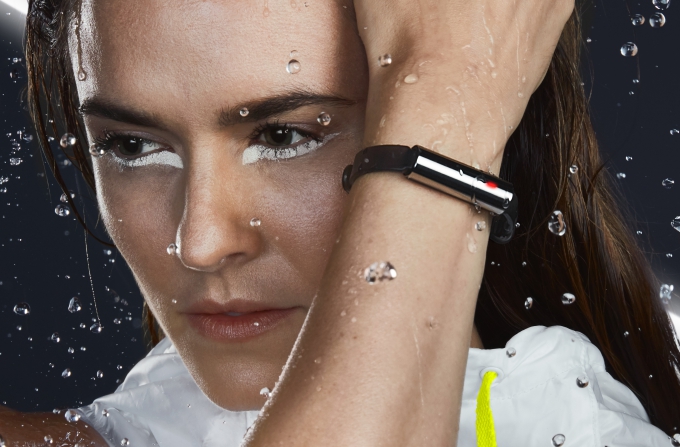
The Misfit Ray strikes a balance between fashion and functionality. Designed as a fitness band, it emphasizes style without compromising on features like step and calorie tracking. Difficulty attracting attention isn’t a concern; it blends effortlessly with other fashion accessories. A standout feature is its long-lasting battery, which works for up to six months, making it a strong option for newcomers to fitness tracking.
9. Samsung Gear Fit 2
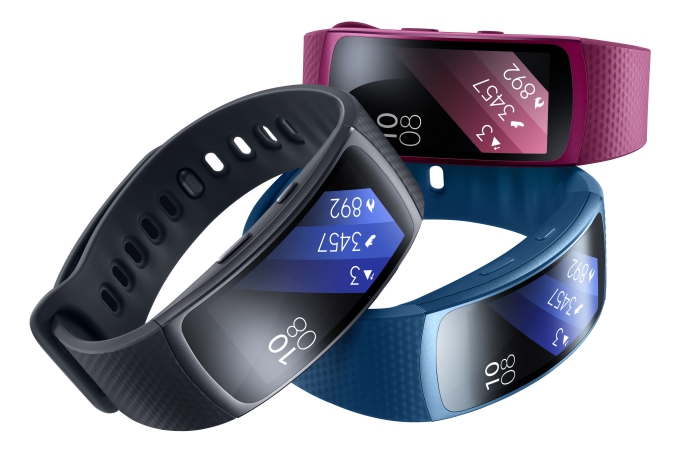
Contrasting with the Misfit Ray, Samsung’s Gear Fit 2 makes no attempt to disguise itself as anything other than a fitness tracker. Its vibrant 1.5-inch Super AMOLED display is a highlight, offering an ergonomic design combined with robust fitness tracking capabilities. Being able to manage notifications adds to its utility, although its battery life could have been improved. For fitness enthusiasts, it was one of the most compelling offerings of the year.
8. Garmin Vivosmart HR+
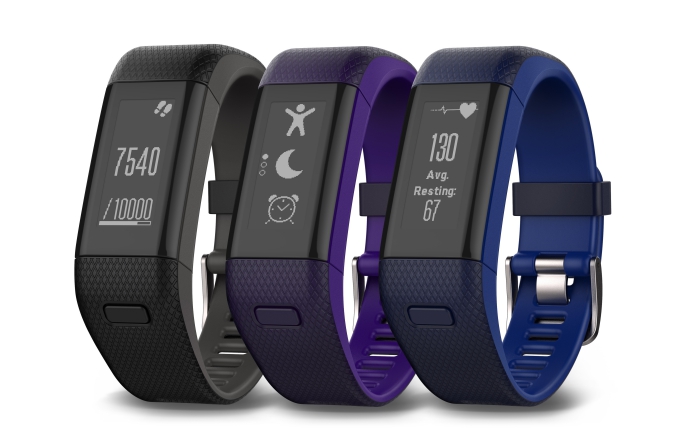
Garmin offered an appealing choice for fitness lovers with the Vivosmart HR+. This tracker stands out with built-in GPS for accurate running stats, minimizing the need for bulkier sports watches. Its six-day battery life and water resistance make it a dual-purpose device for both daily life and intensive workouts, creating a compelling alternative for fitness tracking.
7. PlayStation VR
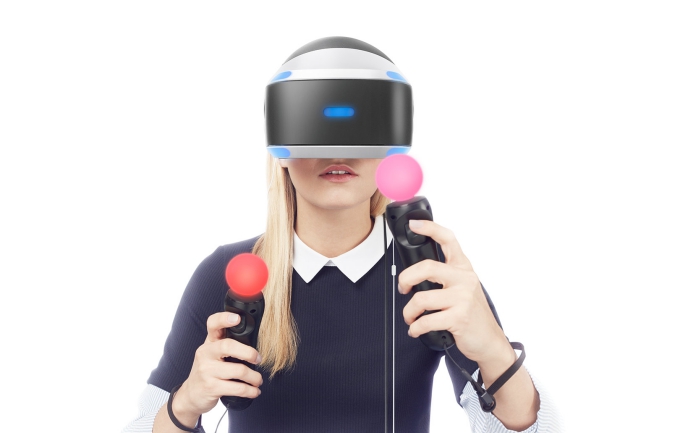
Sony’s PlayStation VR entered the market as a key player in the gaming VR space. Offering comfort and a lower barrier to entry compared to its competitors (the Oculus Rift and HTC Vive), it leveraged the existing PlayStation 4 user base. While not as powerful, its accessibility positioned it as a fantastic option for gamers looking to explore virtual worlds without needing high-end PC setups.
6. Snapchat Spectacles
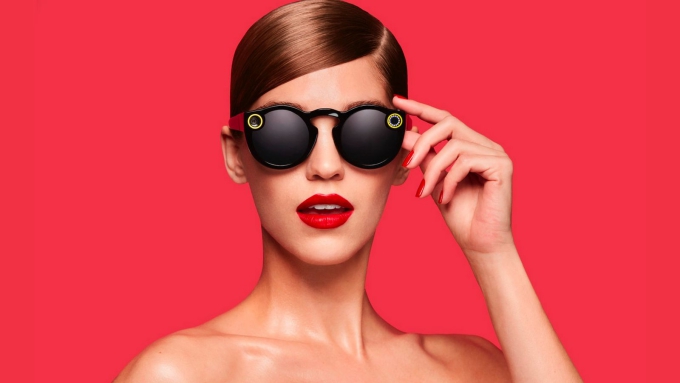
In a surprising move, Snap Inc. launched its first hardware—the Snapchat Spectacles. These quirky sunglasses feature embedded cameras that allow users to capture their experiences and share them seamlessly on the app. With their fun design and limited availability, they captured the essence of capturing life’s fleeting moments, showcasing the intersection of hardware and social media.
5. Samsung Gear S3
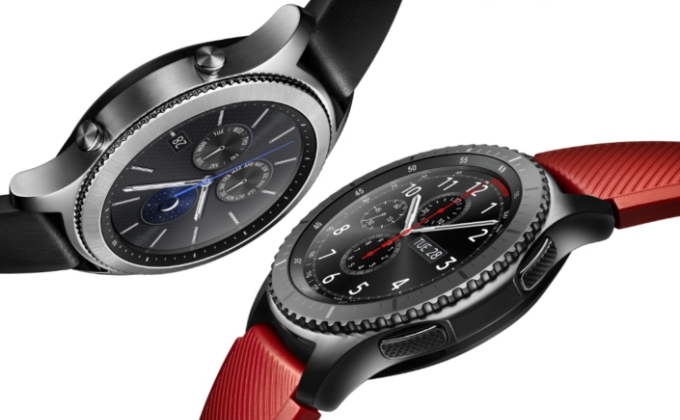
The Samsung Gear S3 improved upon its predecessor with a more robust design and a feature-rich experience. It retained the unique twistable bezel while incorporating GPS and improved battery life. However, its attempts to combine smartwatch functionality with fitness features resulted in a device that, while multifaceted, struggled in balancing demands.
4. Fitbit Alta
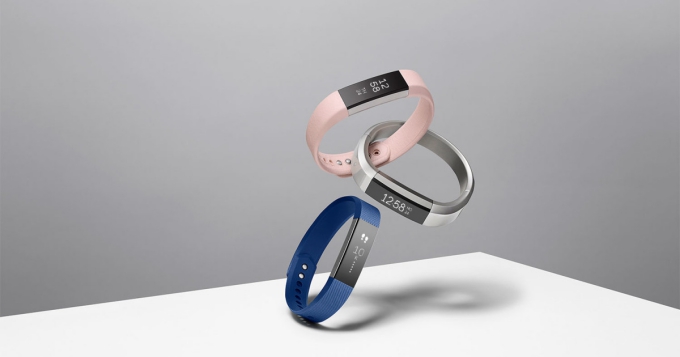
Fitbit aimed for style and substance with the Alta. This tracker transformed how fitness gadgets could appear, offering a sophisticated look without sacrificing essential tracking features. The Alto’s stylish design made it favorable for professionals, proving that fitness technology could be both functional and fashionable.
3. HTC Vive & Oculus Rift
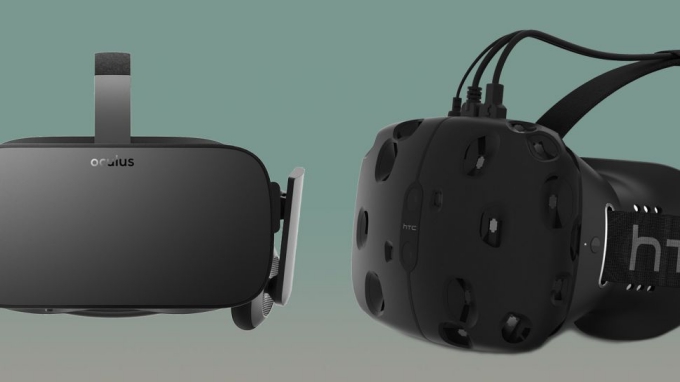
These two VR headsets were the pinnacle of design and technology, representing the essence of modern virtual reality. Although they offered rich features and breathtaking experiences, early adopters faced concerns about utility and understanding the broader implications of VR technology. Their capacity to deliver immersive experiences was clear, yet the path to widespread adoption remained uncertain.
2. Google Daydream View
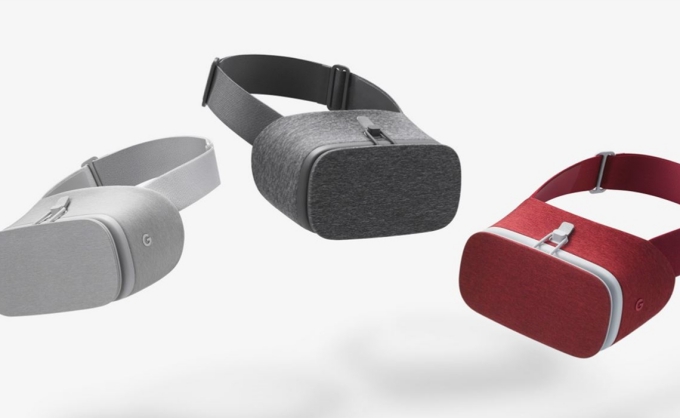
Google’s Daydream View emerged as a front-runner in mobile VR, offering an accessible means to experience virtual environments using smartphones. Its soft fabric construction provided comfort for prolonged use, and the affordability of the headset positioned it as an essential gateway into the realm of virtual reality. The potential for further development in this space sparked interest among tech enthusiasts everywhere.
1. Apple Watch Series 2
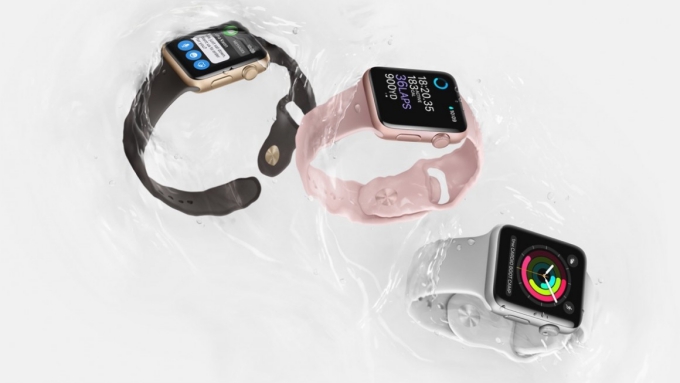
The Apple Watch Series 2 represented a significant leap forward for the smartwatch category. Its built-in GPS and water resistance brought fitness tracking to new levels, while its seamless integration with the Apple ecosystem solidified its place as the go-to smartwatch for iPhone users. Apple’s focus on fitness technology solidified its status in the smartwatch market, making it a recommended choice for many.
By examining these standout devices, it becomes clear that 2016 was full of rich innovation and promising technology. Each product played a role in shaping the future, raising important questions about the role of wearables in our everyday lives and pushing the boundaries of technology.