
The Best Personal Finance Software for 2025: Your Comprehensive Guide
Managing personal finances can be overwhelming, but modern software can simplify the process immensely. From budgeting to investment tracking, personal finance software offers tools to keep your finances organized and aid you in achieving your financial goals. Here’s a rundown of some of the best platforms available for 2025.
What is Personal Finance Software?
Personal finance software allows individuals to monitor their spending, savings, and investments all in one place. These tools help you automate tasks like budgeting and bill tracking, enabling you to focus on your financial goals rather than getting lost in spreadsheets. Additionally, many software options provide features for debt management and financial advice.
Key Features of Personal Finance Software
When selecting personal finance software, consider the following features:
- Ease of Use: Look for a user-friendly interface that simplifies navigation and task completion.
- Budgeting Tools: Automatic categorization of expenses and income can help maintain an accurate budget with minimal effort.
- Investment Tracking: For those interested in investing, look for software that allows you to monitor your investments and provides insights on performances.
- Data Security: Personal finance software manages sensitive information, so robust security measures are essential.
- Mobile Access: A mobile app or web-based version allows you to manage your finances on the go.
Best Personal Finance Software of 2025
Here’s a detailed overview of notable personal finance software options available this year:
1. Quicken: Best Overall Personal Finance Software

Quicken has maintained its reputation for being a reliable choice for financial management. It offers robust features for budgeting, bill tracking, and investment management. Quicken can be used across various devices including desktop, iOS, and Android. However, users may find the app versions to be somewhat limited compared to the desktop interface.
Pros:
- Fair pricing
- Secure online backup
- Comprehensive reporting tools
Cons:
- Slimmer app versions
- Competing products may be cheaper
2. YNAB (You Need A Budget): Ideal for Spending Control
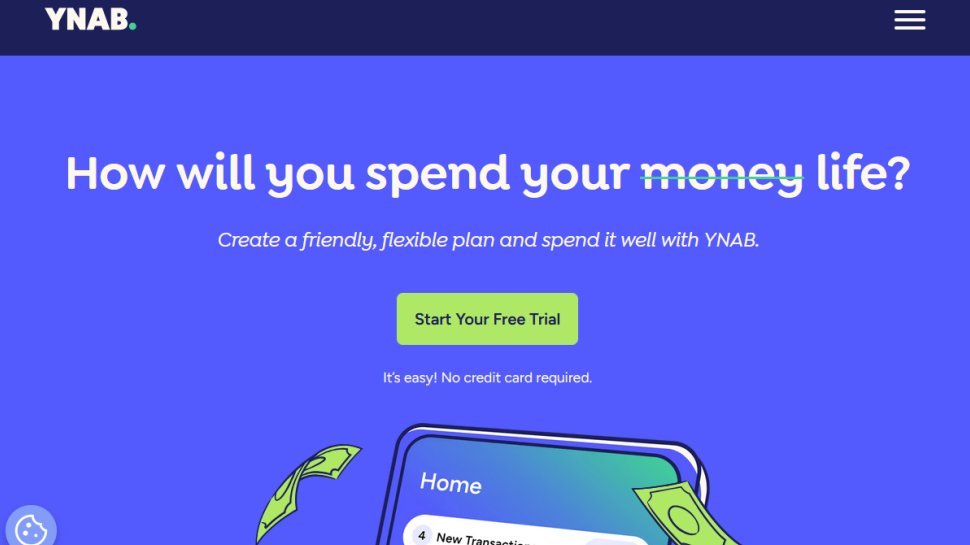
YNAB is designed to help users control their spending. The software teaches budgeting strategies to ensure you’re spending last month’s money instead of what you just received in your paycheck.
Pros:
- Free trial available
- Easy to set up and use
Cons:
- Limited features compared to comprehensive software
- Occasional usability hiccups
3. Moneydance: Perfect for Investors
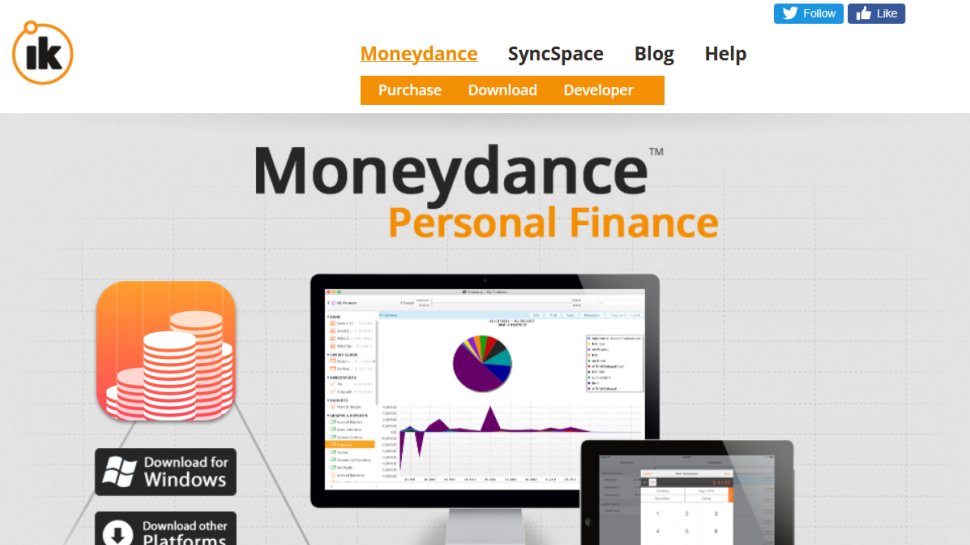
Moneydance has a sleek interface suitable for investors. Its strong reporting features allow users to efficiently track finances and investments. However, it lacks certain integrations with UK banks, requiring manual updates.
Pros:
- 90-day money-back guarantee
- Comprehensive reporting capabilities
Cons:
- No Android app support
- Minimal budget alerts
4. Quicken Simplifi: Best for Affordability
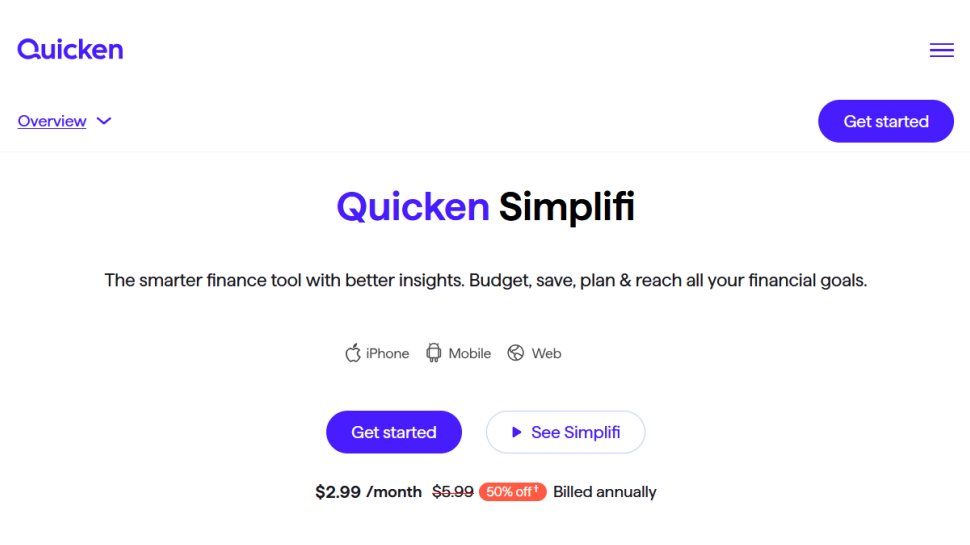
Quicken Simplifi is tailored for casual users wanting to stay organized without the complexities of longer-term financial management. Its mobile-first design makes it quick to manage on the go.
Pros:
- Simple, user-friendly interface
- Great features for organization and alerts
Cons:
- Not free but quite affordable
- Better performance on iOS compared to Android
5. Monarch: Best for Tracking Spend

Monarch provides a sophisticated platform that excels at spending tracking and budgeting. Though it is more complex, it offers powerful features for users who seek in-depth financial management tools.
Pros:
- Versatile for power users
- Support across platforms
Cons:
- Ongoing costs can accumulate
- Complexity may confuse new users
6. BankTree: Great for Multi-Currency Tracking
Ideal for individuals dealing with multiple currencies, BankTree simplifies foreign transactions and offers neat reports. However, its interface can be a bit complex for new users.
Pros:
- 30-day free trial available
- Suited for tracking multiple currencies
Cons:
- Requires additional subscription for bank syncing
- Navigation can be tricky
7. Pocketsmith: Best for Complex Financing

Pocketsmith offers an extensive set of tools for a comprehensive financial management experience, including forecasting over decades and dynamic currency support.
Pros:
- Supports many banks globally
- Robust budgeting tools
Cons:
- Pricing tiers can be confusing
- Expensive for full suite access
Best Free Personal Finance Software
For those not wanting to pay upfront, multiple free solutions exist:
1. NerdWallet: Best Overall Free Option

NerdWallet offers free features, including credit score tracking and budgeting assistance. Its straightforward advice can help users improve their financial literacy.
Pros:
- Free to use
- Access to valuable financial tools
Cons:
- Limited features compared to paid software
- Some differences between app and desktop versions
2. Buxfer: Excellent for On-the-Go Management

Buxfer excels in mobile finance management, providing a clean interface with high-level encryption for data security.
Pros:
- High encryption standards
- Compatible with various banking needs
Cons:
- Reporting features can fall short
- Limited investment options
3. HomeBank: Great for Basic Reporting
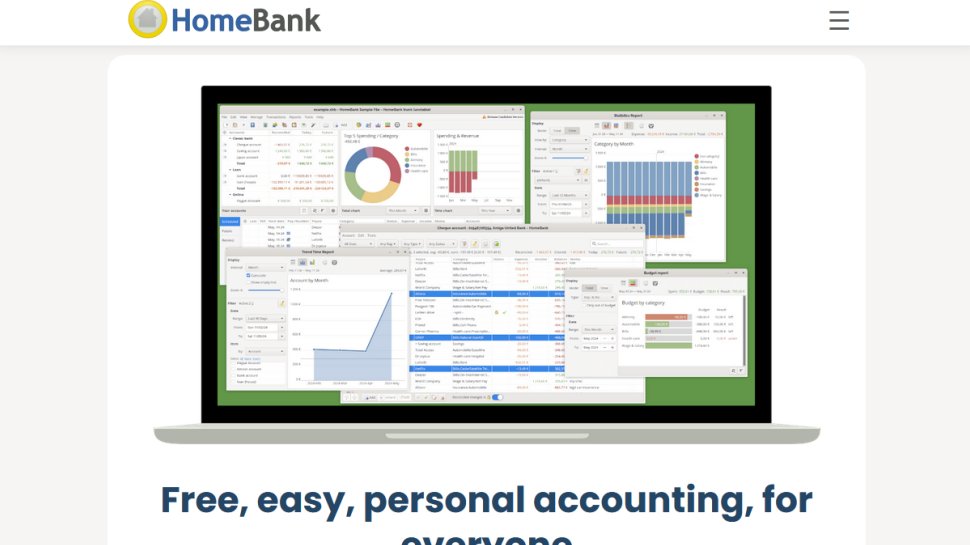
HomeBank provides a simple platform for tracking expenses and generating basic reports, making it an excellent choice for basic needs.
Pros:
- Cross-platform functionality
- Imports data from other apps easily
Cons:
- No Android app currently
- Limited automation features
4. AceMoney Lite: Best for Basic Needs
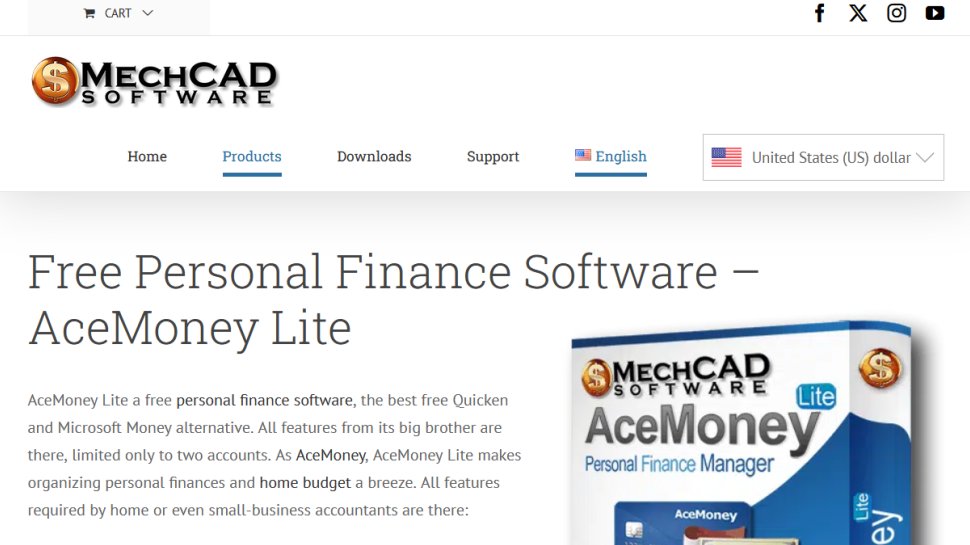
For users with straightforward financial affairs, AceMoney Lite packs features to manage basic finances efficiently.
Pros:
- Intuitive interface
- Supports different currencies
Cons:
- Only allows for two accounts
- Does not link directly to bank accounts
5. Buddi: Ideal for Novice Users
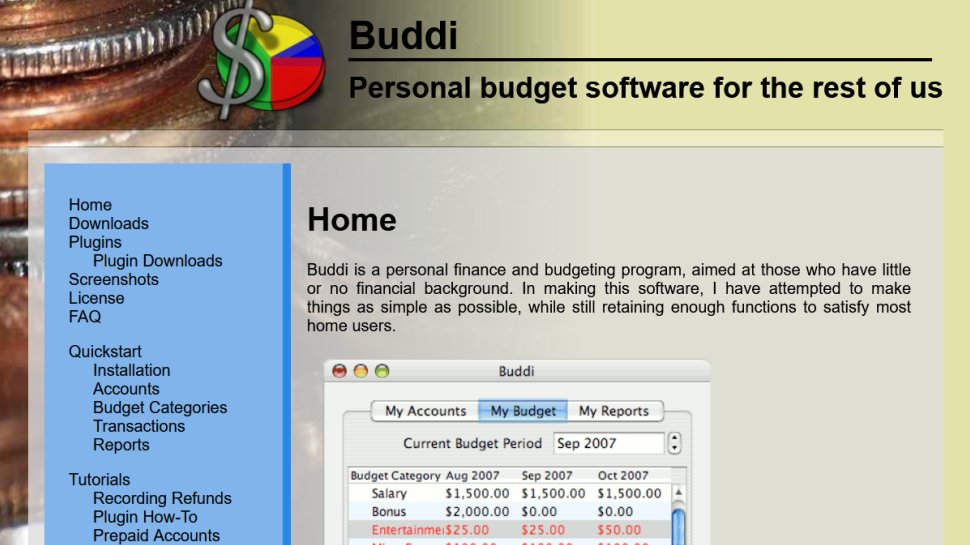
Buddi simplifies personal finance for beginners with a user-friendly interface and guided set-up, making budget tracking accessible.
Pros:
- Well-designed for ease of use
- Strong budgeting capabilities
Cons:
- Java dependency may deter some users
- Lacks regular updates
6. GnuCash: Simple Yet Powerful
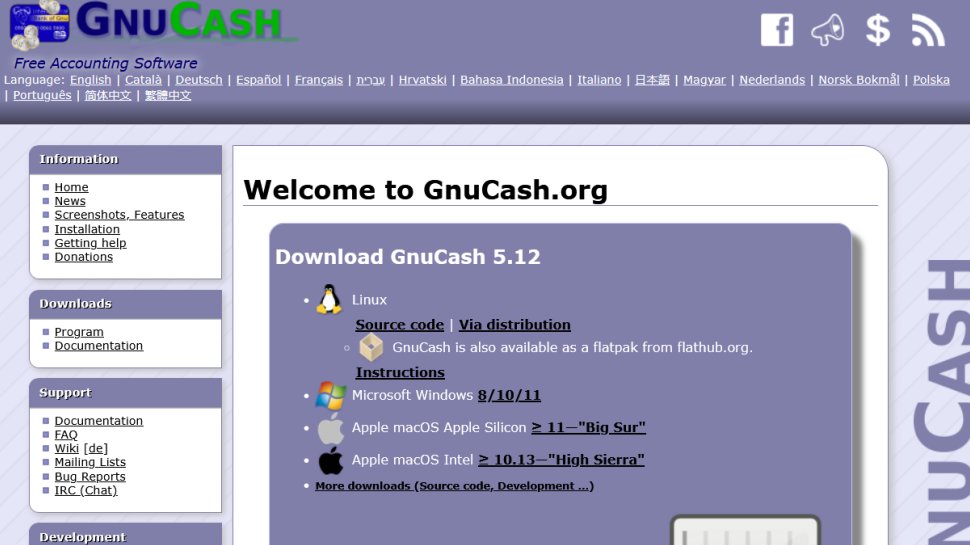
GnuCash is highly flexible for both home users and small businesses. Its features extend into payroll management and expense tracking.
Pros:
- Supports multiple platforms
- Imports data from other software easily
Cons:
- Basic, less glowing interface
- Requires familiarity with accounting practices
How to Choose the Right Software for You
When selecting the personal finance software that’s best suited for you, start by identifying your specific needs. Consider the following:
- Financial Complexity: Are you looking for basic budgeting, or do you need features for complex investment management?
- User Experience: Choose software that you find easy to navigate, especially if you’re new to personal finance management.
- Device Compatibility: Make sure the software works on devices you commonly use, such as smartphones or tablets.
By understanding your needs and the available options, you can confidently select the personal finance software that will help you manage and grow your finances effectively.