The Transformation of Crypto: A Market Resurgence Beneath the Surface
Crypto has often been labeled as the quieter sector within the venture capital ecosystem, especially in recent months when funding levels have plummeted to multi-year lows. Many observers have suggested that the narrative surrounding the crypto market aligns with that of a moribund entity. However, an intriguing structural shift is taking place, one that indicates a potential evolution rather than an outright decline.
Crypto’s Growing Influence in U.S. Treasury Debt
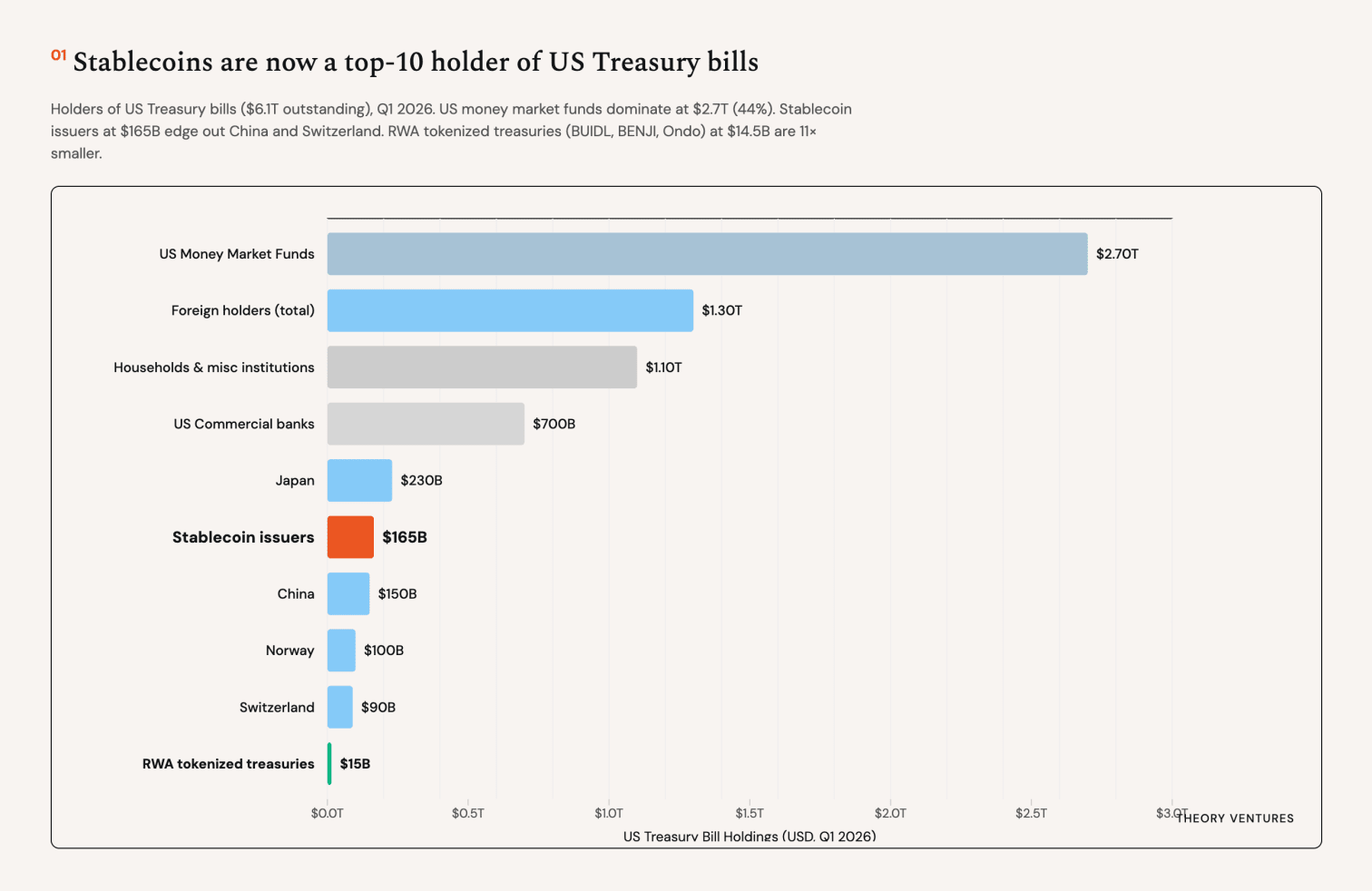
One of the most striking indicators of this transformation is the rising status of crypto as a significant holder of U.S. government debt. Stablecoin issuers now own an astonishing $165 billion in U.S. Treasury bills, translating to 2.5% of the total $6.1 trillion market. This positions stablecoin issuers not only as leading players within the crypto ecosystem but also as formidable influencers in the larger economy.
To put this into perspective, these stablecoin holders surpass countries like China, Norway, and Switzerland in terms of T-bill holdings. They now rank only behind Japan when it comes to foreign holders, signifying a new dimension of power for the crypto market in traditional financial arenas.
Hyperliquid: A New Player in the Exchange Arena
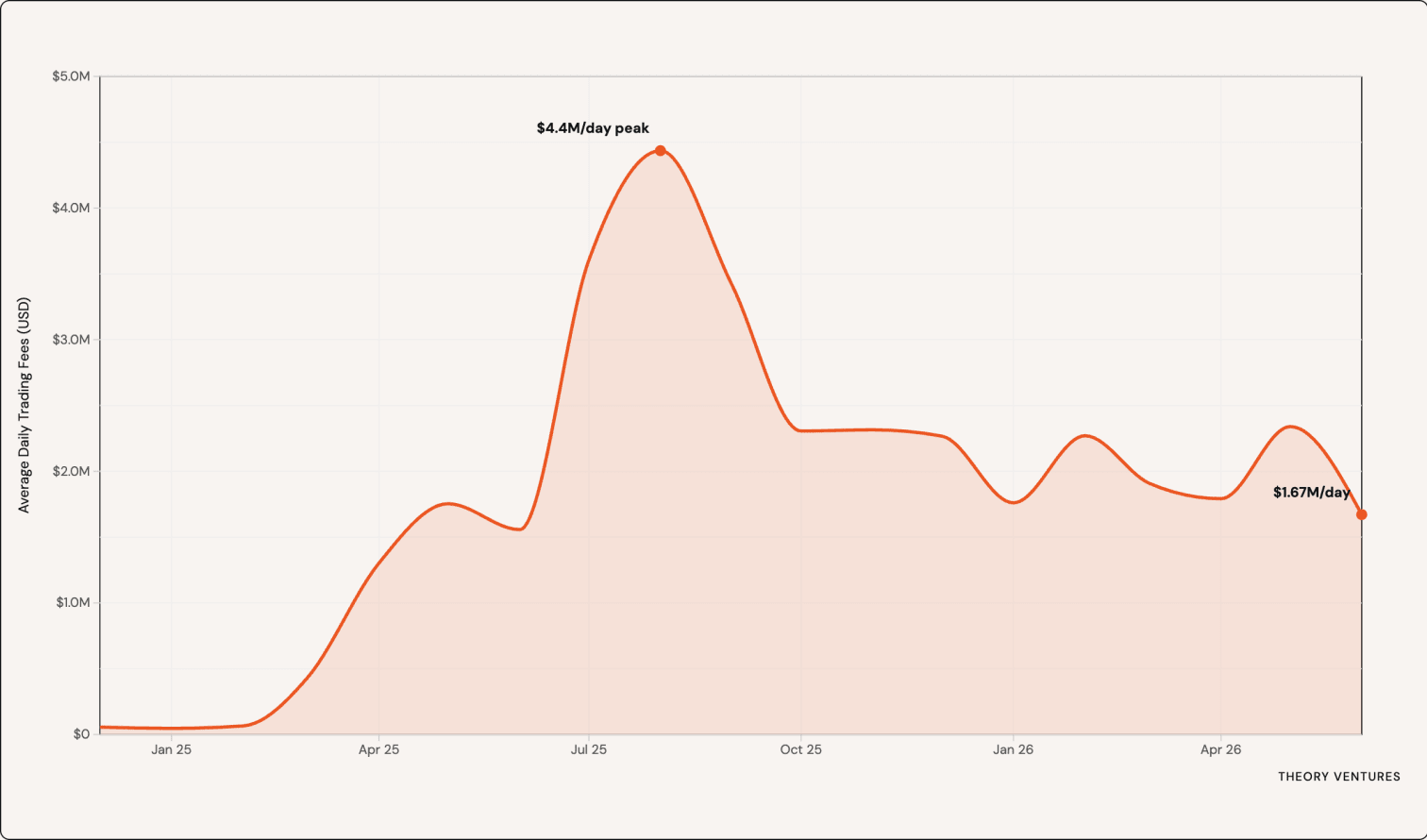
Aside from stablecoin issuers’ remarkable stake in U.S. debt, platforms such as Hyperliquid illustrate that innovation is far from dead in the crypto space. Founded just four years ago, Hyperliquid has made significant strides, with a native token, HYPE, boasting a market cap of $59 billion as of today.
Their trading fees have been noteworthy as well. For instance, in June 2026, Hyperliquid reported an average of $1.67 million per day in trading fees, which annualizes to an impressive $610 million in real fee revenue. These numbers underline that while funding may be down, active trading and real use cases in crypto are thriving, signaling a vibrant ecosystem ready for the next phase of growth.
The 24/7 Trading Revolution of Real Assets
Real assets have also begun to migrate to the crypto space, fundamentally changing the dynamics of trading in commodities such as gold, oil, and stocks. The arrival of 24/7 trading sets the stage for constant liquidity and real-time price adjustments, leading to deeper market efficiencies. This shift enables a wider range of participation and engagement for traders, further integrating traditional markets with the blockchain.

Allium: Leveraging On-Chain Analytics
An essential player in this evolving landscape is Allium, a company focused on on-chain analytics across various major blockchain platforms like Hyperliquid, Ethereum, and Solana. With robust growth since its Series A investment, Allium has seen a remarkable 10x increase in revenue, along with a clientele of over 150 enterprise customers and storage of more than 30 petabytes of blockchain data.
This growth trajectory is indicative of the demand for sophisticated analytics tools that can navigate the complexities of various decentralized finance (DeFi) applications, underscoring the increasing integration of crypto into mainstream financial strategies.
The Resilience of Crypto
Far from the narrative of decline, the current environment in the crypto world signals a state of resilience and adaptation. With companies like Allium and platforms such as Hyperliquid leading the way, the crypto sector may very well be on the verge of a major renaissance. As crypto continues to find its footing amidst traditional financial instruments, its role within the broader economic landscape is poised to expand significantly, regardless of short-term funding fluctuations.
This dynamic interplay of innovation, investment, and analytics reveals a landscape rich with opportunities, challenging the notion that the death of crypto has been realized. The journey may be complex, but the narrative of crypto’s evolution is anything but over.