
Understanding the Building Blocks of a Web Page
1. HTML: The Backbone of Web Page Development
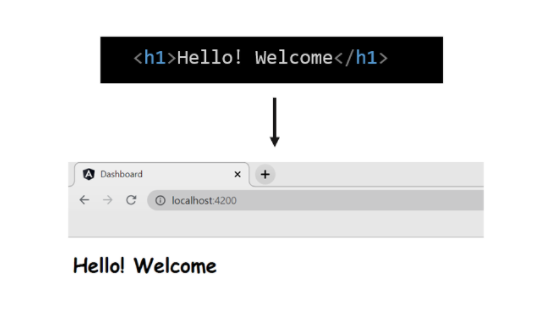
HTML (HyperText Markup Language) serves as the fundamental building block of web pages. It structures content on the internet by using a series of elements and tags that dictate how the content is displayed. For instance, the <div> tag is widely used to create containers for different sections of a web page. Each <div> serves to organize and group related content effectively. This organization allows web developers to control layout and style more easily.
Hyperlinks
A crucial feature of HTML is the ability to create hyperlinks using the <a> (anchor) tag. Hyperlinks enable users to seamlessly navigate between different web pages or sections within a single page. By specifying the destination URL or target location, HTML makes it easy for users to access internal or external resources, enhancing the overall user experience.
Forms and Input Handling
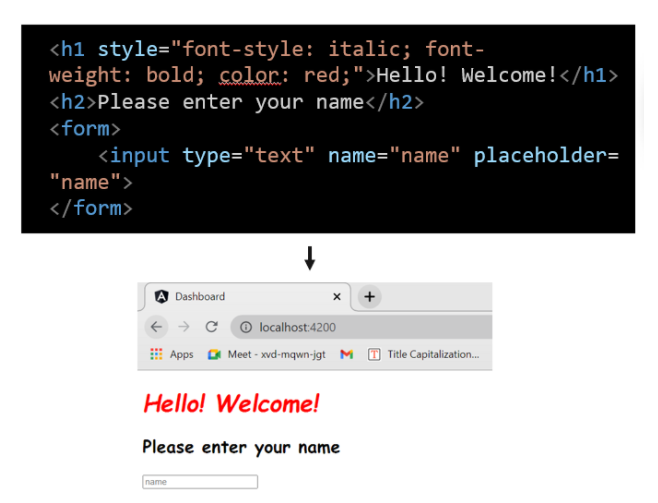
HTML also provides essential form elements like <input>, <select>, <textarea>, and <button>. These elements allow users to submit data to a web server, facilitating interaction with web applications. With various input types—such as text fields, checkboxes, radio buttons, and dropdown menus—HTML captures specific user data effectively. This feature is crucial for data collection and user input validation, making web applications more interactive.
2. CSS: Enhancing Visual Presentation
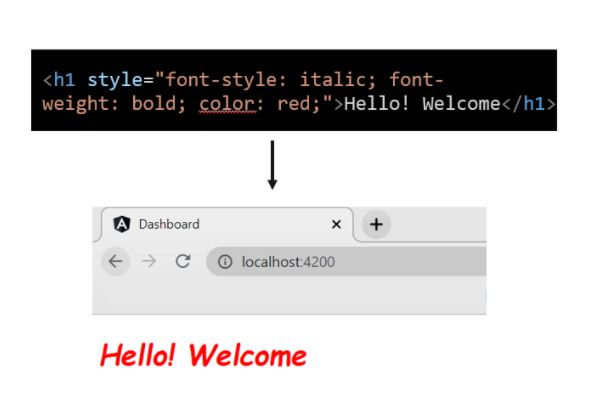
Cascading Style Sheets (CSS) is the top language for styling HTML content. It helps specify how each element on a page should look by using selectors that apply styles. CSS transforms the structure of a document into a visually appealing layout, which is essential for browsers like Chrome, Firefox, and Edge, allowing them to render web pages attractively for users.
Benefits of CSS
- Time-Saving: CSS streamlines the process of styling by enabling changes to be made for entire websites via a single stylesheet.
- Easy Maintenance: Changes in design can be made centrally without altering each HTML file.
- Rich Styling Options: CSS provides a wide array of selectors, text effects, and layout techniques that enhance the overall user experience.
3. JavaScript: Adding Interactivity
JavaScript is a robust client-side programming language that enhances user interaction on web pages. It plays a vital role in making web applications dynamic and responsive by allowing developers to create features like sliders, pop-up dialogs, and form validations.
Benefits of JavaScript
- Enhanced User Experience: It contributes to making web pages interactive and responsive.
- Versatility and Compatibility: JavaScript works across all modern browsers and can integrate seamlessly with HTML and CSS.
- Rich Ecosystem: A vast selection of libraries and frameworks, such as React and Angular, are available to simplify development.
Key Features of JavaScript
- Event Handling: JavaScript allows developers to create interactive elements that respond to user actions.
- DOM Manipulation: The Document Object Model (DOM) can be modified with JavaScript, leading to real-time updates and interactivity.
- Asynchronous Programming: JavaScript supports non-blocking execution, improving user experience by preventing the browser from freezing during lengthy operations.
4. React: Building UI Components
React is a JavaScript library for building user interfaces, maintained by Facebook and the open-source community. While it primarily focuses on UI, React goes beyond basic styling with its rich ecosystem, which includes tools for state management and routing.

Benefits of React
- Component-Based Architecture: React’s modular approach allows for reusable components, leading to cleaner code.
- Virtual DOM: This feature minimizes direct manipulations of the actual DOM, enhancing performance, especially for complex applications.
- Extensive Community Support: Developers benefit from a wealth of resources and libraries, making it easier to speed up development.
5. Angular: The Comprehensive Framework
Angular is an open-source JavaScript framework powered by Google, primarily designed to build single-page applications. Its structured approach helps developers create scalable and maintainable web applications efficiently.
Benefits of Angular
- Structured Framework: It provides tools, libraries, and best practices tailored for large-scale applications.
- Two-Way Data Binding: This feature simplifies synchronization between the model and the user interface.
- Dependency Injection: Angular facilitates efficient management of dependencies, promoting a modular design.
6. Vue: A Progressive Framework
Vue is a progressive JavaScript framework that is gaining traction for building user interfaces. It focuses on simplicity and flexibility, making it approachable for developers of all skill levels.

Benefits of Vue
- Gentle Learning Curve: Clear documentation and a straightforward API enable a swift development ramp-up.
- Versatility: Whether used for small components or full applications, Vue can adapt to various project sizes.
- Performance Optimization: Minimal re-rendering through reactive data binding amplifies application responsiveness.
7. jQuery: Simplifying JavaScript
jQuery is a fast and feature-rich JavaScript library that simplifies HTML document traversing, event handling, and animation. It provides elegant syntax that improves the efficiency of tasks often cumbersome in vanilla JavaScript.

Benefits of jQuery
- Simplified DOM Manipulation: jQuery’s methods make it easy to work with the DOM without writing verbose JavaScript.
- Cross-Browser Compatibility: It normalizes discrepancies across browsers, ensuring consistent application behavior.
- Extensive Plugin Ecosystem: jQuery has a robust collection of plugins, allowing for feature-rich applications without extensive groundwork.
8. Swift: Building Apple Applications
Swift is a front-end language primarily for developing applications on Apple’s platforms. Known for its clean syntax and safety features, Swift streamlines the development process for iOS and macOS applications.

Benefits of Swift
- Safety Features: Swift enforces strict type-checking and automatic memory management.
- High Performance: Built with speed in mind, Swift optimizes resource usage.
- Readable Syntax: Its straightforward syntax encourages clear, maintainable code.
9. TypeScript: A Superset of JavaScript
TypeScript enhances JavaScript’s capabilities by adding static types, making it a popular choice for large-scale applications.
Benefits of TypeScript
- Static Typing: TypeScript catches errors during development, leading to fewer runtime errors in production.
- Improved Tooling: Enhanced IDE support improves developer productivity through features like autocompletion.
- Interoperability: TypeScript can coexist with JavaScript, allowing gradual adoption in existing projects.
10. Elm: Reliability and Simplicity
Elm is a functional programming language designed for web development, emphasizing simplicity and reliability through a strong static type system.
Benefits of Elm
- No Runtime Errors: With Elm, if the code compiles, it runs without runtime errors.
- Friendly Error Messages: The compiler provides clear feedback, making it easier to address issues.
- Immutability and Pure Functions: Elm promotes predictable code behavior, simplifying debugging and maintenance.
Next Steps
In exploring these building blocks of web development, it’s clear that mastering these languages and frameworks provides a solid foundation for creating modern web applications. Each tool offers unique advantages, suited to different project requirements and developer preferences.
Continuous learning through practical experience, courses, or certifications can enhance these skills, preparing developers for innovative challenges in the world of web applications.