
The Path to Well-Being in Older Adults: Insights from Recent Research
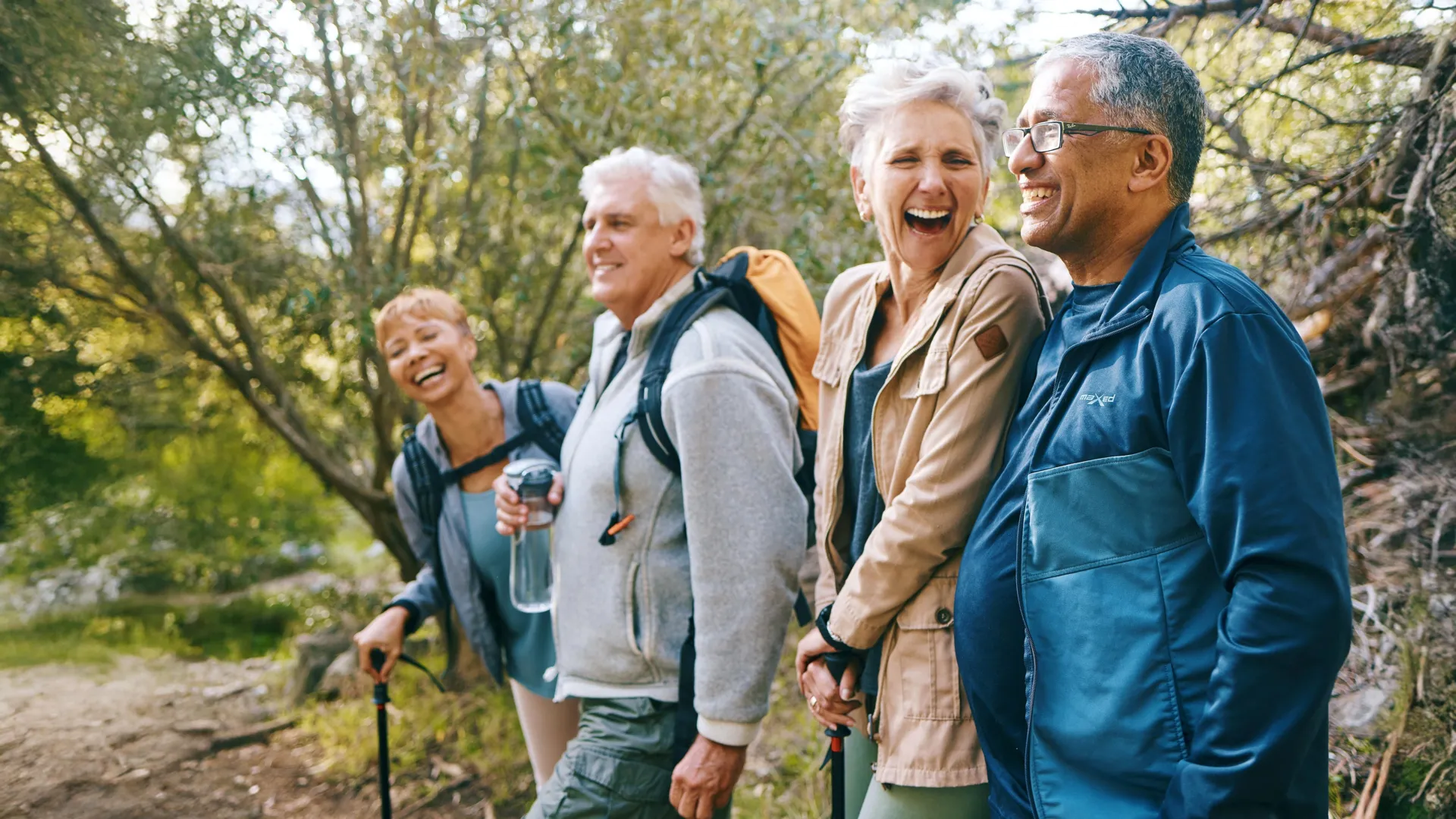
Nearly one-quarter of older adults regained top well-being within three years, even after struggling. Emotional health, physical activity, and good sleep were strong predictors of recovery. Credit: Shutterstock
Understanding the Findings
Recent research from the University of Toronto has shed light on an inspiring aspect of aging: the possibility of regaining optimal well-being despite initial struggles. According to a study published in PLOS One by Mabel Ho and Esme Fuller-Thomson, almost 25% of adults aged 60 and older who reported dissatisfaction with their well-being managed to turn things around within three years. This finding highlights not just the potential for recovery, but also the importance of lifestyle choices in fostering resilience as we grow older.
The Role of Lifestyle Choices
The study emphasizes that maintaining a robust lifestyle is crucial for older adults seeking happiness and health. Key factors identified include stable body weight, non-smoking, regular physical activity, quality sleep, and effective management of chronic illnesses. These elements not only improve physical health but also positively affect psychological and emotional wellness.
A Deeper Dive into Resilience
The rising interest in resilience among older adults reflects a broader understanding of well-being as multifaceted. The research explored how emotional, psychological, social, and self-rated well-being contribute to overall quality of life—even for those managing chronic conditions. Yet, it is interesting to note that there has been relatively little research focusing specifically on how older individuals can recover from periods of low well-being, making this study particularly noteworthy.
The Study Framework
Utilizing data from the Canadian Longitudinal Study on Aging, which encompasses a diverse population of older adults, Ho and Fuller-Thomson analyzed a sample of 8,332 individuals. Initially, these participants did not meet the criteria for optimal well-being; however, follow-ups revealed that a significant number achieved remarkable improvements by the study’s end.
Factors Influencing Recovery
Various predictors influenced the likelihood of older adults regaining their well-being:
-
Psychological and Emotional Wellness: Those who exhibited emotional stability at the start had nearly five times more chance of full recovery compared to those who did not.
-
Demographic Variables: Age also played a role; participants under 70, those who were married, and those earning above the poverty line experienced better outcomes.
-
Physical Health: Active lifestyles were linked to higher recovery rates, with evidence showing that non-smokers, good sleepers, and those without chronic diseases enjoyed better overall wellbeing.
Implications Beyond Canada
The researchers highlighted that the findings may be intricately tied to the Canadian healthcare system, which provides universal access to medical services. This advantage may not be available in other nations, particularly low- and middle-income countries. Understanding the context in which these findings apply is vital for interpreting the broader implications of the research.
Future Directions in Research and Policy
As future studies aim to establish causal relationships based on these findings, there is great potential for developing policies and initiatives focused on enhancing the overall wellness of older adults. Interventions could include programs that promote active living, help manage chronic conditions, and prevent social isolation.
The Human Element in Recovery
Mabel Ho emphasizes that this research serves as a reminder that life can still be rewarding in later years, even following challenging times. The importance of emotional bonds, meaningful connections, and joy cannot be overstated in the pursuit of happiness among aging populations.
A Call to Action
Esme Fuller-Thomson underscores the necessity of investing in preventive measures, financial security, and accessible wellness programs. These initiatives can not only promote a healthier aging process but also transform the lives of older adults facing adversity.
In essence, this compelling research underscores that a fulfilling later life is indeed within reach, combining health with a tapestry of relationships and experiences that sustain our joy as we age.