
The Invisible Hand of Big Tech: A Deep Dive into Mental Health Legislation in Colombia
This article is part of the project “The Invisible Hand of Big Tech,” led by Agência Pública and El Centro Latinoamericano de Investigación Periodística (CLIP), with the participation of 15 other organizations, including Tech Policy Press, from 13 countries. Read more about the project and find other articles in the series here.
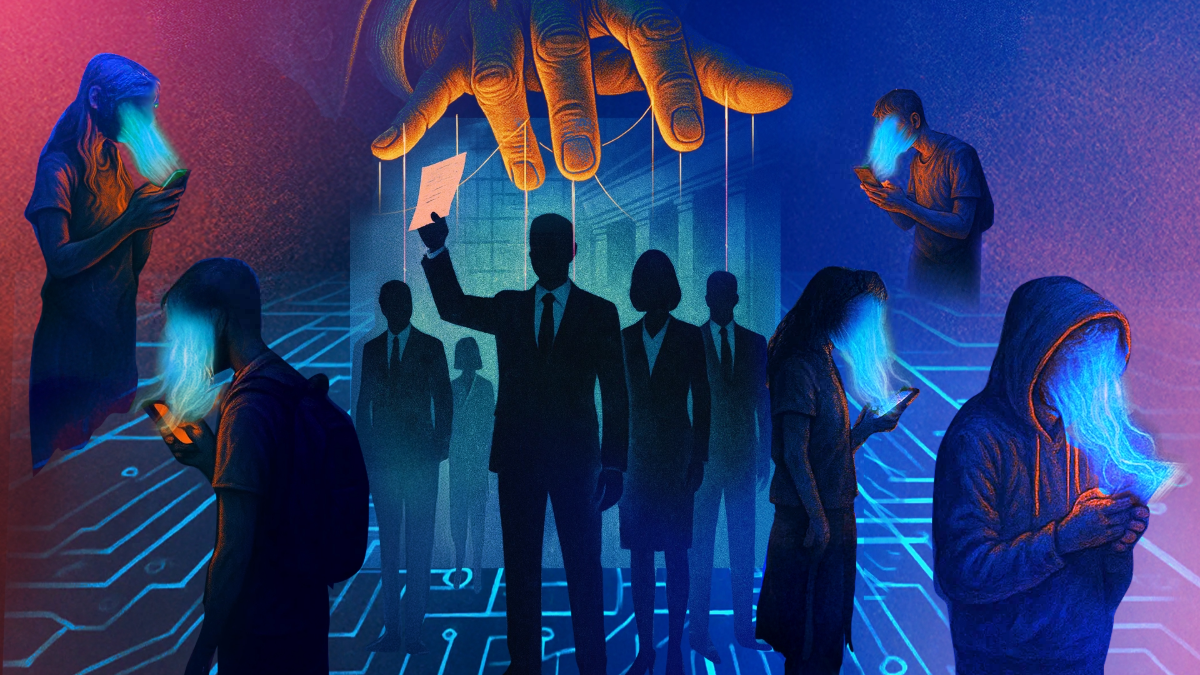
Growing Concerns Around Child Mental Health and Digital Spaces
The alarming reality is that children, some as young as 14, are facing severe repercussions from online harassment, including blackmail over intimate videos. The impact of this harassment can be so profound that it leads some to contemplate suicide. Instant messaging platforms often serve as the medium for this violence, creating an environment where it is almost impossible to halt once it begins. The emergence of AI-generated explicit images featuring minors is particularly concerning, allowing harmful content to circulate unchecked.
Such distressing cases underscore a critical warning that families, educators, and health professionals have sounded for years. A 2024 study by the University of Los Andes found that one in five Colombian children reported encountering self-harm content online, while 17% actively sought ways to end their own lives. Alarmingly, the majority of those exposed to these harmful influences were young women.
Lesley, a concerned mother from Bogotá, recalls the chilling moment when she discovered her son’s struggle with mental health. What began as an innocent experience with his first personal device spiraled into a mental health crisis. Despite trusting her son to make good decisions online, the reality of his digital interactions proved to be overwhelming. When attempting to impose limits on his screen time, his aggression erupted, revealing a concerning attachment to the online world.
Legislative Hurdles and the Influence of Big Tech
When Congress sought to introduce legislation to protect minors, the interests of Big Tech firms like Google and Meta clashed with those advocating for enhanced child safety. According to Juan David Gutiérrez, a professor at the School of Government at the University of the Andes, companies prioritize legislation that doesn’t add operating costs and resist bills that could disrupt their autonomy.
The contentious Bill 029/24S aimed to ensure platforms adhered to regulations for preventing harmful content distribution affecting children. However, as discussions progressed, the technology industry’s lobbying efforts quietly but effectively diminished the bill’s enforceability.
With the support of the investigative alliance, composed of multiple media organizations, the extent of Big Tech’s influence came to light. A well-oiled lobbying machine, comprising lobbyists and legal teams, conveyed their concerns during public hearings, all while crafting relationships with legislators.
The Battle Over Article 8: A Focal Point of Contention
Passing legislation in Colombia is a lengthy process, necessitating up to two years for an initiative to complete its journey through Congress. Article 8 of the Mental Health bill sought to provide regulatory oversight, empowering the Communications Regulatory Commission (CRC) to establish codes of conduct for digital platforms and impose penalties for non-compliance. These proposals quickly became the focal point of contention.
Once the bill progressed to its final debate, intense pressure from the Big Tech lobby became evident. Influential figures from the technology sector, including representatives from Google and Meta, expressed concerns about potential censorship without providing detailed counterarguments, leading to a chipping away of the bill’s original intent.
After various debates and lobbying attempts, significant changes diluted the bill’s impact. The CRC’s authority to co-regulate and sanction digital platforms disappeared, leaving the oversight responsibility in their hands—essentially granting them the freedom to self-regulate.
In a revealing moment, Senator Ana Paola Agudelo confirmed the meetings with Big Tech representatives, aimed at addressing their concerns about the legislation. This interaction encapsulated the essence of the lobbying narrative: a desire to reshape the legislation in their favor.
The Discourse on Censorship and Self-Regulation
As pressure mounted, arguments arose labeling the bill as potentially censorial. A public letter from the Latin American Internet Association (ALAI) highlighted fears that expanding the CRC’s powers could stifle the diversity of information online. The lobbyists’ concerns filtered through various levels of Congress, illustrating how they effectively framed the debate.
Despite reassurances from CRC representatives that no censorship would take place, the opposing arguments compelled legislators to retreat from stringent regulations. The repercussions highlighted the need for careful consideration in balancing mental health and the regulatory powers of tech platforms.
Behind the Curtain: The Lobbying Machine in Action
Investigations revealed a clear pattern of lobbying from Big Tech firms to dilute the Mental Health bill’s provisions. The power dynamics were skewed, with representatives from major technology companies dominating discussions. Their lobbying strategy was deliberate: either sink Article 8 or strip it of any real enforcement measures. Unsurprisingly, their efforts bore fruit—the advanced legislation reflected their preferences.
As detailed lobbying took place in Congress, various industry actors perpetually influenced key legislators. Prominent figures from the tech sector entertained relationships with senators and representatives, suggesting a growing interconnectedness between industries and legislative processes.
As Big Tech’s grip tightened, the legislative framework established before their heightened influence began to fray. The resulting Mental Health bill, free from the regulatory burden once envisaged, stood ready for presidential approval.
The Mental Health Debt: An Urgent Call for Action
The stakes couldn’t be higher. With significant percentages of the Colombian youth population now engaging with digital platforms, the urgency to address mental health has never been clearer. Evidence pointing to increasing instances of suicide attempts among minors, coupled with widespread access to harmful content, calls for collaborative solutions.
Experts emphasize that addressing these issues requires insights across various sectors—families, educators, and the state—demonstrating that singular solutions will not suffice. However, the current health legislation relinquishing state oversight leaves vulnerable children at the mercy of evolving digital landscapes.
While platforms like TikTok and Instagram establish measures to guide users towards resources, there remains a glaring disconnect between their initiatives and the need for firm regulatory frameworks. The challenge ahead lies in balancing corporate autonomy with the essential duty to safeguard children and adolescents in the digital realm.
The implications are significant; when Big Tech’s interests supersede public health considerations, society must confront the potential ramifications of neglecting the vulnerabilities of its youngest members.