

In the bustling world of semiconductors, innovation is the heartbeat of progress. Enter Numemory, a fledgling startup based in China that’s making waves by developing storage-class memory (SCM) chips. Utilizing unique phase change memory and crossbar technology reminiscent of Intel’s Optane, Numemory is setting the stage for an exciting new era in memory solutions.
Launched by Xincun Technology (Wuhan) in July 2022, Numemory’s flagship product, the NM101 chip, boasts impressive specifications: it promises read and write speeds up to ten times faster than conventional NAND chips and endurance rated five times longer. This leap in performance positions the NM101 as a formidable challenger in the competitive semiconductor market.
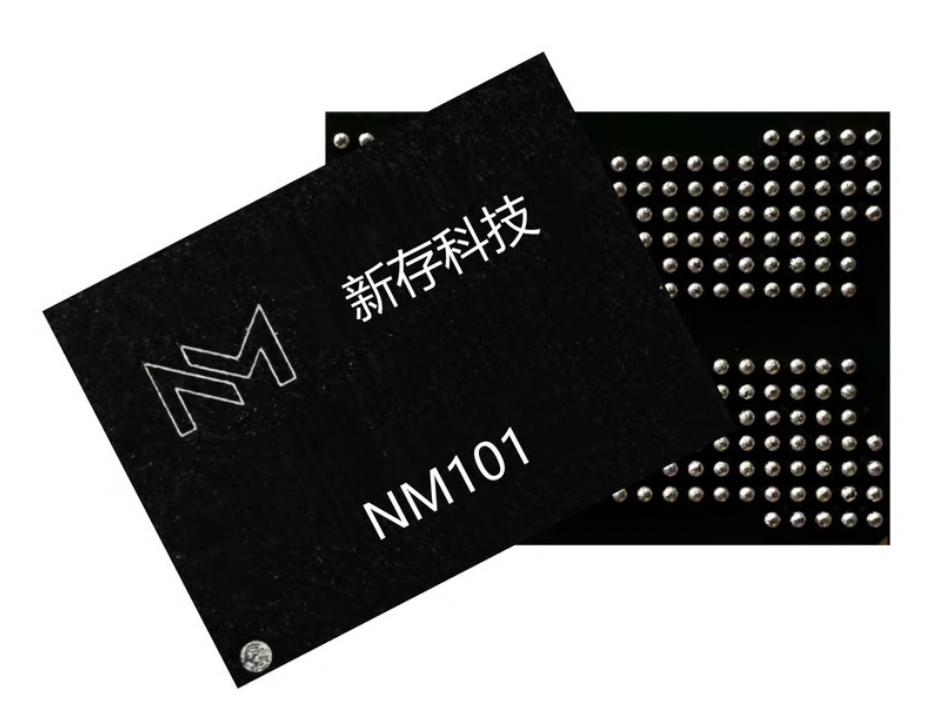
According to Numemory’s official website, the NM101 is not merely another chip; it’s a revolutionary memory type that could increase storage capacity while significantly reducing costs—paving the way for enhanced overall system performance. This SCM chip stands out in the hierarchy of storage solutions by combining the swift access of DRAM with the persistence and reliability of NAND technology, positioning itself as an exciting alternative for future applications.
A glance at the technical specs reveals that the NM101 operates at a speed of 3200 MT/sec, matching the performance of Intel’s Optane PMem 200. However, it’s worth mentioning that detailed metrics such as latency, IOPS, and bandwidth aren’t disclosed, leaving some details still under wraps.
As part of its commitment to innovation, Numemory has amassed an impressive portfolio of patents. By 2023, it reported 273 total invention patents, with 60 international and 213 Chinese patents. Among these, a notable patent, CN118215387A, discusses the unique characteristics of its selector-only memory (SOM) technology, distinguishing it from competitors like Intel’s 3D XPoint with its simpler, more scalable crossbar structure.
In terms of financial backing, Guao Technology has invested significantly into Xincun Technology, looking to ramp up production of the SOM chip. The ambitious goal is to reach mass production by the end of this year, targeting an output of 10,000 chips per month by 2025, supported by a substantial ¥10 billion investment alongside governmental aid from the Anji county government.
With a dedicated team of around 180 employees, predominantly scientists and engineers (80% in R&D and 60% holding advanced degrees), Numemory stands poised to tackle challenges in the realm of semiconductor technology.
Commentary
The success of the NM101 chip holds significant implications for the industry. If Numemory can thrive where others, like Optane, faltered, it could offer a genuine SCM solution that outperforms traditional accelerated SSDs like Solidigm’s D7-P5810 and Micron’s offerings. This enhancement could bolster the performance of applications running on SCM-assisted servers, promoting more efficient data processing.
Initially, the domestic Chinese market appears to be Numemory’s primary focus, though expanding beyond China could become a reality as production scales up. Anticipated partnerships with local giants such as Huawei could provide a competitive edge in the market—giving these companies a notable performance boost over their non-SCM counterparts.
As industry observers, we can expect a surge of interest from Taiwanese and Korean semiconductor firms, alongside other global players analyzing Numemory’s advancements and examining whether this innovative tech could redefine performance standards in memory solutions.