
The Transformative Role of Robotics in Agriculture
Agriculture, a cornerstone of human civilization, is undergoing a technological revolution, particularly through the integration of robotics. Farmers around the globe face labor shortages and escalating costs, with labor constituting nearly 50% of production expenditures for certain crops. In this context, robots are emerging as viable solutions to alleviate some of these pressing issues.
The Challenge of Harvesting
Harvesting fruits and vegetables presents a set of unique challenges. Crops like strawberries, raspberries, and avocados have a narrow window for harvesting, and they bruise easily, leading to significant losses. Reports indicate that farmers can lose up to 25% of their crops due to improper handling. This is where advanced robotics can make a substantial impact.
Innovative Solutions from West Virginia University
Researchers at West Virginia University (WVU) have risen to the occasion. They have developed a soft robotic hand designed specially for harvesting delicate fruits. This robotic hand is a game-changer, aiming to minimize crop wastage while improving harvesting efficiency.
The Design Philosophy
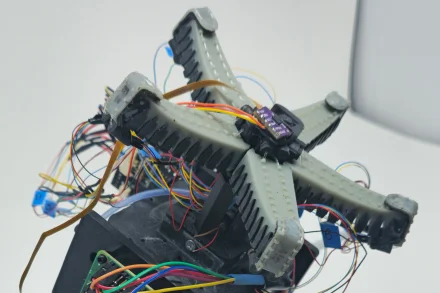
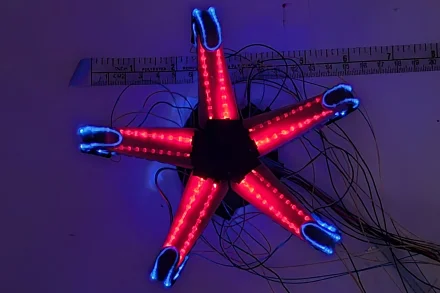
Most existing agricultural robots are rigid, bulky, and lack tactile sensitivity, which makes them less appropriate for delicate tasks. The WVU Robotic Lab focuses on mimicking animal movements and has taken inspiration from starfish anatomy. Featuring five flexible fingers made from silicone and polyurethane, the robotic hand resembles a human hand but with a much softer grip. This design allows it to pick fruits gently without causing damage.
Precision in Harvesting
One of the challenges faced by robotic harvesting systems is accurately determining the ripeness of fruit. Traditional methods often rely on human intuition—such as squeezing avocados to gauge firmness. The WVU robotic hand incorporates not only a miniature camera to assess ripeness visually but also specialized sensors that can evaluate fruit through tactile feedback.
These sensors allow the robotic fingers to gently squeeze the fruit, ensuring just the right amount of pressure is applied. This capability enhances the robot’s ability to grip securely and adjust pressure based on the fruit’s condition.
Technical Specifications
Tests have demonstrated the effectiveness of this technology. The robotic hand can predict the shape of fruit with nearly 100% accuracy. Weighing in at just under 65 grams (2.29 oz), it can open and close in less than two seconds, lifting objects up to 1 kg (2.2 lb) with ease.
Future Applications
The implications of this technology extend beyond agriculture. The WVU research team envisions potential applications in various fields, including space exploration, underwater research, and healthcare. Their ongoing plans aim at creating a more scalable version of this robotic hand for commercial deployment over the next two to four years.
Encouraging Developments
Anand Mishra, the lead scientist and assistant professor at WVU, expresses optimism about the future: “For commercial deployment, we are currently developing a more scalable version of the gripper." Their recent study was published in the journal Nature Communications, highlighting the importance of this research.
The innovative robotic hand developed at WVU represents a significant step forward in agricultural technology, showcasing how robotics can not only streamline operations but also assist in addressing key challenges faced by farmers in today’s economy.