
Pop Art and Robotics: A Dual Exploration of Creativity and Technology
The Intersection of Art and Robotics
Art and technology are often seen as two parallel paths that rarely cross. However, an intriguing juxtaposition emerges when we consider how each influences the other. The visual impact of art, specifically illustrated through the lens of pop art, can resonate profoundly within the robotics landscape. For instance, Deborah Lupton’s piece "Pop Chips," which reimagines a silicon chip with a vibrant pop-art aesthetic, symbolizes this intersection beautifully. The vibrant imagery of technology portrayed through creative styles nurtures the public’s interest in robotics and informs a broader cultural dialogue about technology’s role in society.
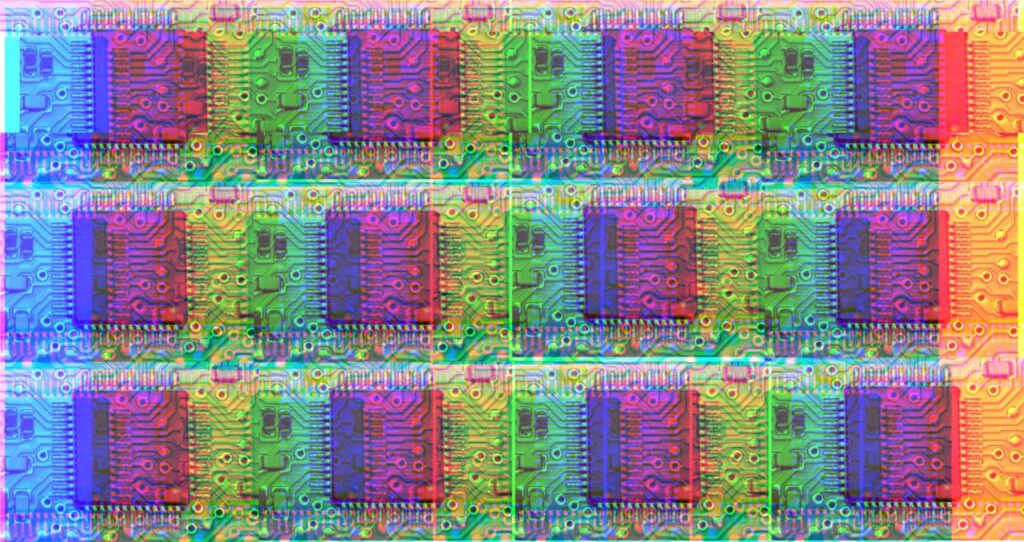
Deborah Lupton / Pop Chips
A Roadmap for the Future of Robotics
Henrik I Christensen, a prominent figure in the field of computer science and engineering at UC San Diego, has made significant strides in charting a visionary path for robotics. His recently released global robotics technology roadmap outlines the horizon of robotic innovation, emphasizing the years 2025 to 2035.
This roadmap serves as a foundational document for policymakers, researchers, and industry leaders. By collating insights from various fields, including robotics conferences, machine learning venues, and extensive market research, Christensen has crafted a clear picture of how the robotics landscape is evolving.
Market Landscape and Projections
One of the most compelling aspects of the roadmap is its market analysis. The global robotics market, which reached a staggering $53.2 billion in 2024, is projected to grow to an impressive $178.7 billion by 2033. This growth trajectory highlights not only the increasing reliance on robotics across industries but also the opportunities for innovation within this field.
Asia currently holds a dominant position in industrial deployment, representing 74% of global installations in 2024, with China contributing to 54% of this figure. Conversely, Europe is emerging as a leader in safety-critical regulations and collaborative robots (cobots). The United States maintains an edge in AI-powered robotics and defense applications, illustrating a diverse and competitive global landscape.
Cutting-Edge Technological Developments
The roadmap’s findings underscore a number of exciting technological advancements:
-
Vision-Language-Action (VLA) Models: These innovative algorithms are paving the way for new levels of cross-embodiment generalization. By integrating vision and language capabilities, these models enhance robots’ understanding and interaction within complex environments.
-
Soft Robotics: Advances in materials science, especially the use of liquid crystal elastomers (LCEs) and self-healing hydrogels, are blurring the lines between industrial robots and biomedical applications. This adaptability positions soft robotics as a significant area of growth.
-
Humanoid Robots: The market for humanoid robots, currently valued at $370 million in 2025, is set for explosive growth, with projections reaching $6.5 billion by 2030. Both Chinese OEMs and U.S. tech firms are in a race to develop scalable production methods.
- Regulatory Landscape: The introduction of frameworks such as the EU AI Act signals the emergence of regulatory considerations that are reshaping how humanoid robots are designed and deployed globally.
Comprehensive Insights and Recommendations
The roadmap offers a well-structured analysis touching upon various subtopics, providing a granular view of the robotics landscape:
- Introduction and Scope: It introduces the motivations and methodologies behind the research.
- Global Market Baseline: Analyzes current statistics and market dynamics.
- State of the Art: Explores significant academic research areas in robotics, with a focus on human-robot collaboration and embodied AI.
- Enabling Technologies: Examines cross-cutting advances in materials, computing infrastructure, and perception systems.
- Regional Strategies: Highlights the distinct approaches taken by Europe, Asia, and the USA, recognizing their unique strengths and challenges.
- Sector-Specific Analysis: Offers tailored insights and recommendations for sectors such as agriculture, healthcare, and construction.
- Strategic Themes: Addresses overarching themes like sustainability and societal impacts, alongside technological risks.
You can delve deeper into this extensive roadmap here.
The Confluence of Innovation and Creativity
As we navigate through landscapes dominated by technology and creativity, it becomes crucial to recognize how interconnected these realms are. The synthesis of robotics and pop art, exemplified by Lupton’s work, represents both a celebration of innovation and a call to thoughtful consideration of technology’s role in the human experience. By exploring how these two fields converge, we can appreciate the complexities and potentialities of our future landscape.